
Introduction
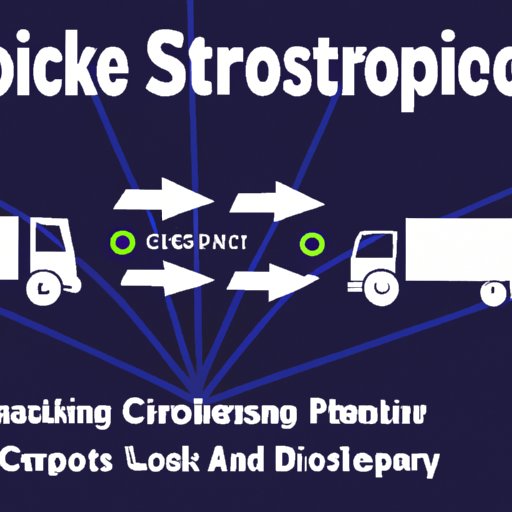
Cross docking is a method of logistics that involves unloading materials from an incoming truck or transport vehicle and loading them onto another outbound truck or vehicle without any long-term storage in between. This process is used to streamline the supply chain and reduce costs by eliminating the need for intermediate storage and handling. It is a common practice in many industries, such as retail, automotive, and manufacturing, and is becoming increasingly popular due to its efficiency and cost savings.
For entrepreneurs looking to enter the logistics industry, starting a cross docking business can be a great opportunity. With the right knowledge and resources, it is possible to create a successful and profitable enterprise. This article will provide an in-depth guide on how to start a cross docking business, including the necessary equipment, licensing requirements, steps to opening a business, ideal clients, and best practices for success.

Necessary Equipment and Licensing Requirements
Before starting a cross docking business, it is important to understand the necessary equipment and licensing requirements. The types of equipment needed will vary depending on the size and scope of the operation, but typically include loading docks, forklifts, pallet jacks, and other material handling equipment. Additionally, businesses may need to invest in software and automation technology to ensure accurate tracking and inventory control.
In addition to acquiring the necessary equipment, businesses must also obtain the necessary licenses and permits in their jurisdiction. Depending on the location, this may include business licenses, warehouse permits, and environmental permits. It is important to thoroughly research the requirements in order to ensure compliance with local regulations.

Steps Involved in Opening a Cross Docking Business
Once the necessary equipment and licenses are obtained, there are several key steps involved in opening a cross docking business. First, it is important to establish a comprehensive business plan. This should include detailed information about the services offered, operational processes, marketing strategies, and financial projections. Developing a clear plan will help ensure the success of the business.
The next step is to acquire the necessary equipment and licenses. As mentioned previously, this will involve purchasing the appropriate material handling equipment, as well as obtaining the necessary permits and licenses. It is also important to ensure that the facility meets all safety and health standards.
The final step is to secure clients. Once the business is up and running, it is important to identify potential customers who can benefit from the services offered. Developing a marketing strategy and building relationships with potential customers is essential to growing the business.
Types of Clients Suited for a Cross Docking Business
When choosing clients for a cross docking business, it is important to consider the type of products being handled and the size of the operation. For instance, if the business specializes in smaller items, such as consumer electronics or apparel, then smaller retailers may be a good fit. On the other hand, larger retailers with higher volumes of goods may require more complex operations and specialized equipment.
It is also important to consider the customer’s needs and expectations. Does the customer require specific services, such as temperature-controlled shipping? What is their timeline for delivery? Understanding these details can help ensure that the business is providing the best possible service.
Examples of ideal clients for a cross docking business include e-commerce retailers, manufacturers, wholesalers, and distributors. These types of customers typically have high volumes of goods that need to be shipped quickly and cost-effectively. By working with these types of clients, businesses can maximize their profits and minimize their overhead costs.

Advantages of Outsourcing Logistical Services to a Cross Docking Business
Outsourcing logistical services to a cross docking business has many advantages. For one, it can result in significant cost savings. By utilizing a third-party provider, businesses are able to avoid the overhead costs associated with managing their own logistics department. Additionally, the use of automated systems and software can help streamline the process, resulting in greater efficiency and reduced labor costs.
Another advantage of outsourcing is that it allows businesses to focus on their core competencies. By delegating logistical services to a third-party provider, businesses are able to shift their focus to other areas of their operations, such as product development and marketing. This can lead to increased productivity and profitability.
Best Practices for Operating a Successful Cross Docking Business
In order to operate a successful cross docking business, it is important to follow best practices. One of the most important is developing a quality assurance system. This should include procedures for inspecting incoming and outgoing shipments, as well as tracking and reporting any discrepancies. Doing so will help ensure accuracy and reliability.
Another important practice is hiring experienced staff. Cross docking requires attention to detail and a thorough understanding of the process. Having knowledgeable and capable employees is essential to ensuring successful operations.
Finally, it is important to utilize automation wherever possible. Automation can help streamline the process and reduce errors. Investing in the right technology can be a worthwhile expense that pays off in the long run.
Conclusion
Starting a cross docking business can be a great opportunity for entrepreneurs looking to enter the logistics industry. With the right knowledge and resources, it is possible to create a successful and profitable enterprise. This article has provided an in-depth guide on how to start a cross docking business, including the necessary equipment, licensing requirements, steps to opening a business, ideal clients, and best practices for success.
(Note: Is this article not meeting your expectations? Do you have knowledge or insights to share? Unlock new opportunities and expand your reach by joining our authors team. Click Registration to join us and share your expertise with our readers.)