
Introduction
Anyone who spends time outdoors—whether it’s in their own garden, on a nature walk, or even just out for a jog—has probably wondered what type of plant they’re looking at. While there are many ways to determine a plant’s species, there are a few tips and techniques that can be used to help identify a plant.
Take a Look at the Plant’s Leaves
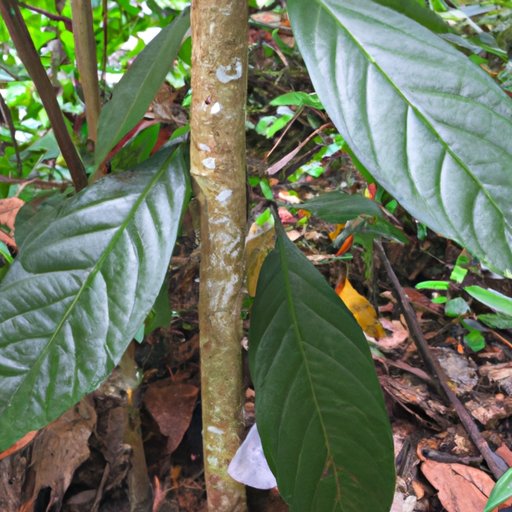
One of the most important features to look at when identifying a plant is its leaves. Start by observing the shape and size of the leaf. Is it long and thin? Round and wide? These characteristics can help narrow down the possibilities. Additionally, take note of the color and texture. Are the leaves smooth or fuzzy? Bright green or deep purple? All of these details can help you start to form an idea of what type of plant you’re looking at.
You should also pay attention to the edges and veins of the leaves. Some plants have smooth edges while others may be serrated or lobed. The veins of the leaves can also provide clues to the type of plant you’re looking at. For example, many ferns have a network of veins that branch off from the midrib of the leaf.
Examine the Plant’s Stems and Branches
In addition to the leaves, you should also take a look at the stems and branches of the plant. Take note of the bark or twigs—do they look smooth or rough? Are they thin or thick? This can help you distinguish between different types of plants.
You should also observe the length and thickness of the stems and branches. Depending on the species, some plants may have longer, thinner branches while others may have shorter, thicker branches. Additionally, keep an eye out for any thorns or hairs on the plant. These can further help you identify what type of plant you’re dealing with.

Determine If the Plant is Annual or Perennial
Another way to identify a plant is to determine if it is an annual or perennial. Annual plants are those that live for one growing season before dying off. They usually flower, produce seed, and then die. Examples of annual plants include petunias, marigolds, and tomatoes. On the other hand, perennial plants are those that live for more than two years and often come back each year.
For example, some perennials like hostas and daylilies can survive cold winters and come back in the spring. Other perennials, such as lavender and rosemary, can survive mild winters without dying off. Knowing whether a plant is an annual or perennial can help you narrow down the possibilities.
Check for Flowers and Fruit
If the plant is flowering or producing fruit, this can be a big clue as to what type of plant you’re looking at. Pay attention to the color, size, and shape of the flowers or fruit. Some plants may have large, brightly colored flowers while others may have small, subtle blooms. Additionally, take note of when the blooms appear. Many plants will only bloom during certain times of the year.
Observe the Plant’s Habitat
The habitat of a plant can also provide clues to its identity. Take a look at the amount of sunlight it receives, the type of soil it’s growing in, and its water requirements. Some plants require a lot of sunlight while others prefer shade. Similarly, some plants need moist soil while others prefer dry conditions. Knowing the environment the plant is growing in can help you narrow down the possibilities.
Research the Plant Online
Once you’ve gathered all the information you can from examining the plant itself, it’s time to do some research online. Botanical websites like PlantNet and NatureGate can be helpful resources for identifying plants. These websites typically contain images and descriptions of different plants, which can help you narrow down your options. Additionally, you can search for specific characteristics you’ve observed in the plant, such as the shape of the leaves or the color of the flowers.
Consult a Professional Botanist
If you still can’t identify the plant after doing some research online, it may be time to consult a professional botanist. There are many local resources available, such as universities, botanical gardens, and natural history museums. These professionals can provide expert advice and help you identify the plant you’re looking at.
Conclusion
Identifying a plant can be a fun and rewarding experience. By taking a closer look at the plant’s leaves, stems, and branches; determining if it’s an annual or perennial; checking for flowers and fruit; observing the plant’s habitat; researching the plant online; and consulting a professional botanist, you can develop a better understanding of the plants around you. Knowing what type of plant you’re working with can help you create a healthier and more beautiful landscape.
(Note: Is this article not meeting your expectations? Do you have knowledge or insights to share? Unlock new opportunities and expand your reach by joining our authors team. Click Registration to join us and share your expertise with our readers.)