
Introduction
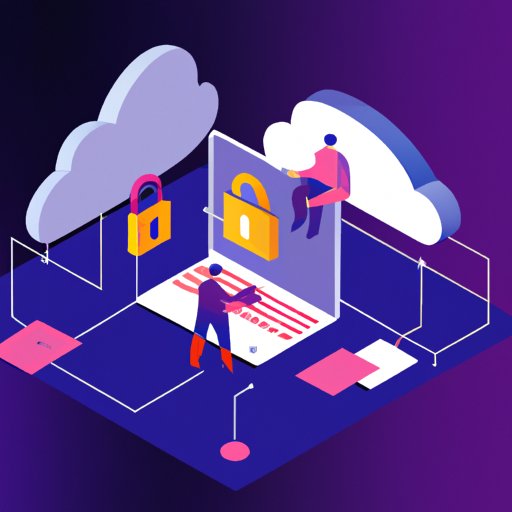
Technology is transforming every aspect of our lives, from the way we work and communicate to how we shop and entertain ourselves. It has created new opportunities for productivity and efficiency, but it has also raised questions about the future of work and its implications for our society. In this article, we will explore the effects of technology on our lives, including the benefits and risks associated with its use.
How Technology is Transforming the Workplace
Technology has had a profound impact on the modern workplace. Automation and artificial intelligence are becoming increasingly common, allowing businesses to increase their productivity while reducing labor costs. According to a recent study by McKinsey Global Institute, automation could replace up to 30% of the world’s current jobs by 2030. While this could lead to increased economic growth and higher wages, it also presents a challenge for those who may be displaced by automation.
The benefits of increased productivity due to automation have been well-documented. For example, a 2017 report by the World Economic Forum found that automation has led to more efficient production processes, improved customer service, and better decision-making. However, this comes with the risk of job displacement, as machines can now do tasks that were previously done by humans.
Exploring the Impact of Smartphones on Social Interaction
Smartphones have changed the way we interact with one another, both positively and negatively. On the one hand, they have made us more connected than ever before, enabling us to stay in touch with friends and family all over the world. According to a 2018 survey by Pew Research Center, 77% of Americans own a smartphone, and nearly half of them use it to stay connected with loved ones.
However, there are some downsides to this increased connectedness. Cyberbullying has become an increasing problem, as people are able to harass and threaten others anonymously online. Furthermore, the constant use of smartphones can lead to addiction and depression, as people become overly reliant on their devices.

Examining the Benefits and Risks of Artificial Intelligence
Artificial intelligence (AI) is rapidly changing the way we live and work. AI-driven automation is being used to improve efficiency and accuracy in a variety of industries, from manufacturing to healthcare. According to a 2019 report by Deloitte, 60% of executives believe that AI will help their companies remain competitive in the future.
On the other hand, AI-driven decisions can present ethical challenges. In some cases, algorithms may make decisions based on biased data or inaccurate assumptions, which could lead to unfair outcomes. Moreover, the potential for AI-driven automation to displace human workers is a real concern.
Analyzing the Effect of Automation on Job Security
Automation is having a significant impact on job security. As machines become increasingly capable of performing tasks that were once done by humans, there is a risk of job displacement. A 2018 report by the Organisation for Economic Co-operation and Development (OECD) found that up to 14% of jobs in developed countries are at risk of being automated in the next two decades.
Furthermore, automation is changing the types of skills that are needed for new roles. As machines take on more complex tasks, workers must develop new skills in order to stay relevant in the job market. This means that workers must be willing to adapt and learn new skills in order to remain employable.

Investigating the Pros and Cons of Cloud Computing
Cloud computing has revolutionized the way businesses store and access data. By leveraging cloud solutions, businesses can gain greater flexibility and scalability, as well as cost savings. According to a 2018 report by Gartner, cloud computing is projected to grow by 17.3% in 2019, with an estimated total market value of $214 billion.
However, cloud computing also poses risks. Data stored in the cloud can be vulnerable to cyberattacks, and businesses must ensure that they have adequate security measures in place. Additionally, regulations around data privacy can be complex, and businesses must ensure that they comply with applicable laws.
Evaluating the Role of Big Data in Decision Making
Big data has become an important tool for decision making, as it allows businesses to analyze large amounts of data quickly and accurately. According to a 2018 study by IDC, organizations that use big data analytics have seen an average improvement of 33% in their operational performance.
However, there are potential risks associated with relying too heavily on data. Organizations may overlook important factors that cannot be quantified, and they may miss out on valuable insights due to an overreliance on data. Additionally, human biases can be embedded into algorithms, leading to skewed results.

Assessing the Impact of Cybersecurity on Privacy Rights
Cybersecurity is playing an increasingly important role in protecting our privacy rights. As hackers and malware become more sophisticated, organizations must implement robust security measures in order to protect their data. According to a 2018 report by McAfee, the global cybercrime cost is expected to reach $6 trillion by 2021.
Additionally, governments are beginning to take steps to regulate data privacy. For example, the European Union’s General Data Protection Regulation (GDPR) requires organizations to take measures to protect the personal data of their customers. This has raised the bar for cybersecurity, as organizations must now adhere to strict standards in order to protect data.
Conclusion
Technology has changed our lives in countless ways, from the way we work to how we interact with one another. While technology can bring many benefits, such as increased productivity and connectedness, it can also pose risks, such as job displacement and privacy concerns. It is important to understand both the positive and negative impacts of technology in order to make informed decisions about its use.
(Note: Is this article not meeting your expectations? Do you have knowledge or insights to share? Unlock new opportunities and expand your reach by joining our authors team. Click Registration to join us and share your expertise with our readers.)