
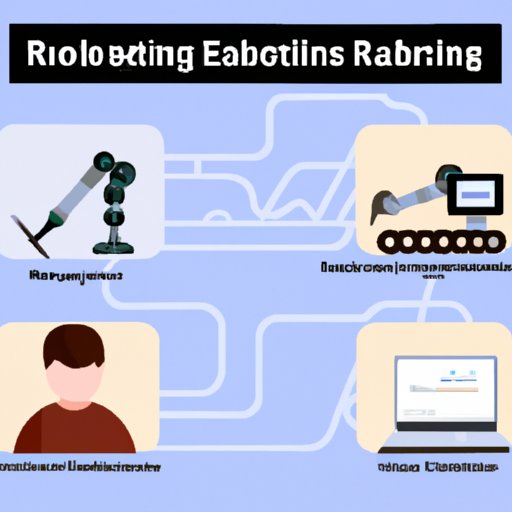
An Overview of Robotics Engineering
Robotics engineering is an exciting and rapidly growing field that combines the principles of engineering, computer science, and artificial intelligence. Robotics engineers design, build, program, and maintain robots for various purposes, including medical, industrial, research, or military applications. As technology continues to advance, robotics engineers are pushing the boundaries of what can be achieved with robotics.
Definition of Robotics Engineering
Robotics engineering is defined as the study of robots and their design, construction, operation, and application. Robotics engineers use their knowledge of mathematics, physics, and engineering to create robots that can perform a variety of tasks. They must be able to understand and interpret complex data, devise efficient solutions, and develop innovative ideas.
History and Development of Robotics Engineering
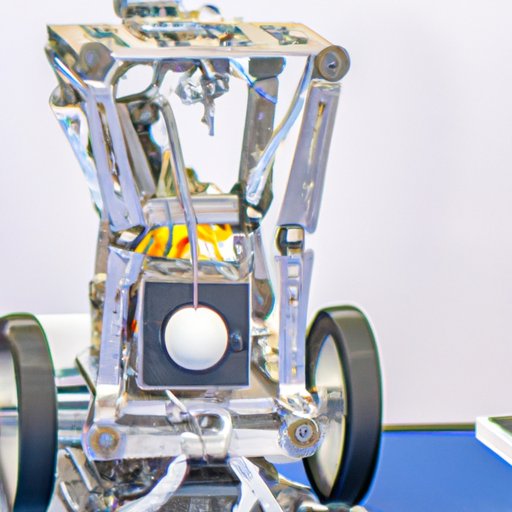
The history of robotics engineering dates back to the early 1800s when inventors such as Joseph Jacquard developed automated looms that could weave intricate patterns. In the 1950s, George Devol created the first programmable robotic arm, which was used in factories to automate manufacturing processes. Since then, robotics engineering has advanced significantly and robots are now used in a wide range of industries and applications.
The Career Path to Becoming a Robotics Engineer
Becoming a successful robotics engineer requires a combination of technical knowledge and problem-solving skills. To pursue a career in robotics engineering, you need at least a bachelor’s degree in engineering, computer science, or a related field. Additionally, some employers may require experience in software development, electronics, or other areas of engineering.
Education Requirements
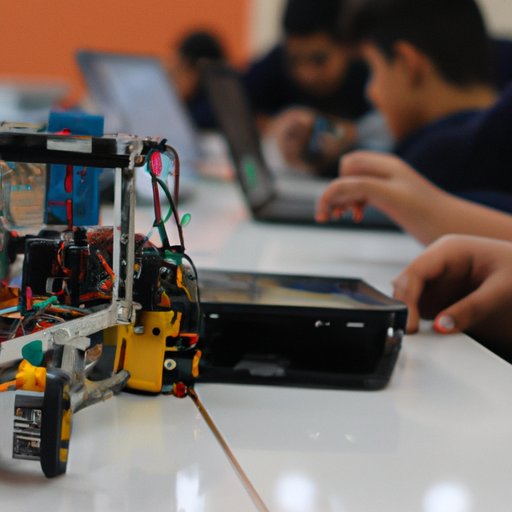
A bachelor’s degree in engineering, computer science, or a related field is typically required to become a robotics engineer. During your studies, you will learn the fundamentals of robotics engineering, such as mechanics, electronics, computer programming, and artificial intelligence. You will also gain hands-on experience through internships and lab work.
Relevant Skills and Qualifications
In addition to having a strong technical background, robotics engineers need to have excellent problem-solving skills. They must be able to think creatively and come up with innovative solutions to difficult problems. Other important skills include being able to work independently, manage projects effectively, and collaborate with colleagues.
Exploring the Robotics Engineering Field
Robotics engineering is a broad field that offers many different opportunities. There are two main types of robotics engineering: industrial and consumer. Industrial robotics engineers design, build, and maintain robots for industrial applications, such as manufacturing and assembly lines. Consumer robotics engineers design robots for consumer use, such as home security systems, robots for cleaning and entertainment, and educational robots.
Types of Robotics Engineering
Robotics engineers specialize in a variety of areas, including artificial intelligence, control systems, mechatronics, motion planning, and embedded systems. Artificial intelligence engineers design algorithms and software to enable robots to make decisions and interact with their environment. Control systems engineers develop systems that enable robots to move and respond to their environment. Mechatronics engineers combine mechanical, electrical, and software engineering to create robots that can sense and interact with their environment. Motion planning engineers design algorithms that allow robots to navigate their environment. Embedded systems engineers design and develop hardware and software for robots.
Areas of Expertise for Robotics Engineers
Robotics engineers can specialize in a variety of areas, including medical robotics, space exploration, unmanned vehicles, and autonomous systems. Medical robotics engineers design robots for use in surgical procedures and rehabilitation. Space exploration robotics engineers design robots for use in space exploration missions. Unmanned vehicle robotics engineers design robots for use in military operations and surveillance. Autonomous systems engineers design robots that can operate without direct human supervision.

Robotics Engineering and its Impact on Society
Robotics engineering has had a significant impact on society over the past few decades. Robots are being used in a variety of industries, from manufacturing to healthcare, and they are increasingly being used to perform tasks that were once thought to be too difficult or dangerous for humans. According to a study by the International Federation of Robotics, robots are estimated to have increased productivity by 30% since 2000. The same study found that robots have enabled companies to reduce labor costs by up to 20%.
Benefits of Robotics Engineering
Robots are increasingly being used to automate tedious and repetitive tasks, allowing humans to focus on more complex tasks. Robots can also be used to improve safety in hazardous environments, such as nuclear plants or chemical factories. Additionally, robots are being used to improve medical care, such as assisting in surgeries or providing physical therapy. Finally, robots are being used to explore new frontiers, such as deep sea exploration or space exploration.
Challenges of Robotics Engineering
Despite the many benefits of robotics engineering, there are still some challenges that need to be addressed. One of the biggest challenges is developing robots that can safely interact with humans in everyday situations. Additionally, robots need to be able to adapt to changing environments and unexpected events. Finally, robots need to be able to make decisions based on ethical considerations.
Robotic Engineers: What they Do and How They Work
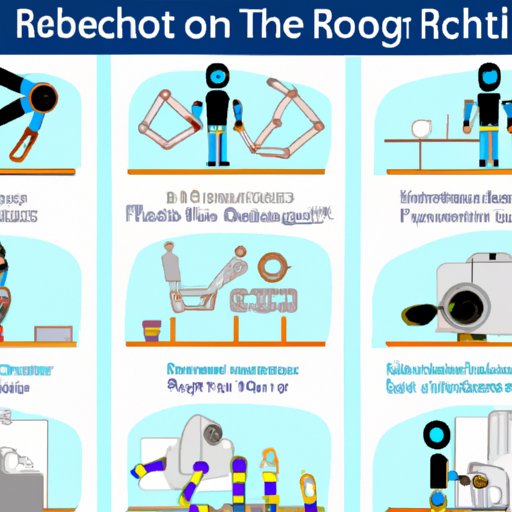
Robotics engineers are responsible for designing, building, programming, and maintaining robots for various applications. Their job requires them to have a thorough understanding of mathematics, physics, engineering, and computer science, as well as the ability to think creatively and solve complex problems. Robotics engineers must be able to work both independently and collaboratively, and have excellent communication and project management skills.
Job Description
Robotics engineers are responsible for designing, building, programming, and maintaining robots for various applications. This includes designing robots that can interact with their environment, creating algorithms and software to enable robots to make decisions, and developing systems that allow robots to move and respond to their environment. Robotics engineers must be able to work both independently and collaboratively, and have excellent communication and project management skills.
Typical Tasks of Robotics Engineers
Robotics engineers are responsible for a variety of tasks, including designing robot systems, writing software programs, developing control systems, and testing prototypes. They must also be able to troubleshoot and debug any problems that arise. Additionally, they must stay up to date on the latest developments in robotics engineering and be able to apply new technologies and techniques to their work.
The Benefits of Being a Robotics Engineer
Robotics engineering is a rewarding and challenging field that offers many benefits. Robotics engineers are able to work in a variety of industries, from manufacturing to healthcare, and they have the opportunity to work with cutting-edge technologies and help shape the future of robotics. Additionally, robotics engineers can earn a competitive salary and enjoy a high level of job satisfaction.
Robotics engineers who work in the private sector can expect to earn a median salary of $80,000, according to the Bureau of Labor Statistics. Those who work in the public sector can expect to earn a median salary of $90,000. Additionally, robotics engineers who have several years of experience can command a higher salary.
Robotics engineering is a highly satisfying profession that allows engineers to use their creativity to solve complex problems and make a difference in people’s lives. Robotics engineers have the opportunity to work in a variety of industries and push the boundaries of robotics technology. Additionally, robotics engineers have the opportunity to work with other professionals and collaborate on exciting projects.
Robotics engineering is a rapidly growing field that offers many professional opportunities. Robotics engineers can work in a variety of industries, such as manufacturing, healthcare, and defense. Additionally, robotics engineers can find employment in research institutions, universities, and government agencies. Robotics engineers who stay current on the latest technologies and trends can enjoy a successful career in this rapidly growing field.
(Note: Is this article not meeting your expectations? Do you have knowledge or insights to share? Unlock new opportunities and expand your reach by joining our authors team. Click Registration to join us and share your expertise with our readers.)