
Introduction
When planning a vacation, one of the biggest considerations is how to keep your children safe while traveling. Booster seats are an important piece of car seat safety equipment that can help keep your child secure while in the car. But what exactly is a booster seat, and is it necessary to bring one on vacation? This article will explore the benefits and risks of using a booster seat for travel, as well as provide tips for finding the right booster seat for your needs.
The Pros and Cons of Taking a Booster Seat on Vacation
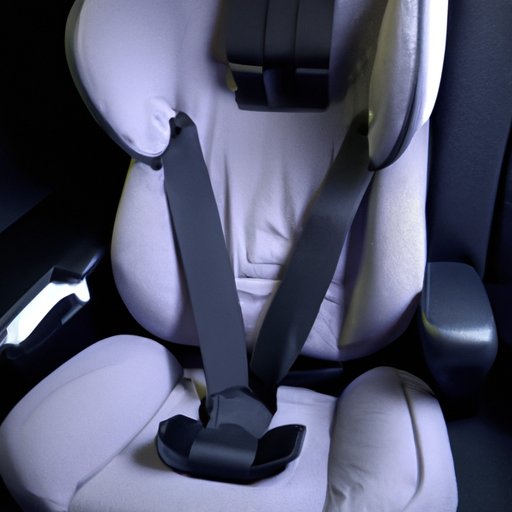
A booster seat is a type of car seat designed for older children who have outgrown their regular car seat but are still too small for an adult seat belt. Booster seats raise the height of a child so that the seat belt fits them properly, which helps keep them safer in the event of an accident. Booster seats also provide additional comfort and support for long car rides.
Advantages of Taking a Booster Seat on Vacation
One of the main advantages of taking a booster seat on vacation is that it allows you to ensure your child is safely secured in the car at all times. According to a study conducted by the National Highway Traffic Safety Administration (NHTSA), booster seats reduce the risk of serious injury in a crash by 45 percent compared to seat belts alone. The study also found that booster seats reduce the risk of death by 59 percent.
In addition, booster seats provide extra comfort and support for long car rides. They can help prevent neck and back pain, as well as provide extra cushioning for sleeping children. Booster seats also often come with features such as cup holders and adjustable headrests, which can make car rides more enjoyable for everyone.
Disadvantages of Taking a Booster Seat on Vacation
Although there are many advantages to taking a booster seat on vacation, there are also some potential drawbacks. One of the main disadvantages is the added hassle of lugging the seat around. Booster seats can be bulky and difficult to store in a suitcase or carry-on bag. Additionally, they can take up precious space in the car, making it difficult to fit other luggage or passengers.
Another potential downside is cost. Booster seats can range from relatively inexpensive to quite pricey, depending on the features you’re looking for. Additionally, if you’re renting a car for your vacation, you may need to purchase a booster seat or rent one from the rental agency, which can add to the overall cost of your trip.
Do You Need a Booster Seat for Airplane Travel?
If you’re planning to fly with your child, you may be wondering whether or not you need to bring a booster seat. The answer depends on the airline’s regulations for booster seats. Most airlines allow children over two years old to sit in an adult seat with a seat belt, but some may require a booster seat for children under two.
Airline Regulations for Booster Seats
Before flying with your child, it’s important to check the airline’s regulations for booster seats. Some airlines may require a booster seat for children under two, while others may allow children over two to sit in an adult seat with a seat belt. Additionally, some airlines may offer discounted fares for children who use a booster seat.
Tips for Using a Booster Seat on an Airplane
If you do need to bring a booster seat for your flight, there are a few things you can do to make the experience easier. First, look for a booster seat that is lightweight and easy to transport. Additionally, most airlines will allow you to gate check the seat, meaning you can check it at the gate rather than carrying it through security and onto the plane. Finally, if you’re traveling with a partner or friend, ask them to carry the booster seat so you can focus on keeping your child safe and comfortable during the flight.

Navigating Car Seat Safety Regulations Around the World
If you’re traveling to another country, it’s important to research the local car seat safety regulations. Different countries have different rules regarding car seat safety, so it’s important to familiarize yourself with the laws in your destination country before you go.
Different Countries’ Rules on Car Seat Safety
In the United States, children must be restrained in a car seat until they are eight years old or 4’9″ tall, whichever comes first. However, this is not the case everywhere. In Canada, for example, the law states that children must be in a car seat until they are nine years old or 4’9″ tall, whichever comes first. Other countries may have different age and height requirements, so it’s important to do your research before you go.
Tips for Researching Car Seat Safety Regulations in Your Destination Country
The best way to research car seat safety regulations in your destination country is to contact the local government. Most countries have websites where you can find information about local laws, and many of these sites include information about car seat safety regulations. Additionally, you can contact the embassy or consulate of your destination country for more detailed information.
Is It Necessary to Bring a Booster Seat on Road Trips?
If you’re planning a road trip, you may be wondering whether you need to bring a booster seat. While booster seats are not required by law in many states, they can be beneficial for longer trips. Here are some of the advantages and disadvantages of bringing a booster seat on road trips.
Advantages of Bringing a Booster Seat on Road Trips
One of the main advantages of bringing a booster seat on road trips is that it can help keep your child safe. Booster seats help position the seat belt correctly across your child’s body, reducing the risk of serious injury in the event of an accident. Additionally, booster seats provide extra comfort and support for long car rides, which can make the trip more enjoyable for everyone.
Disadvantages of Bringing a Booster Seat on Road Trips
The main disadvantage of bringing a booster seat on road trips is the added hassle of lugging the seat around. Booster seats can be bulky and difficult to store in a suitcase or carry-on bag. Additionally, they can take up valuable space in the car, making it difficult to fit other luggage or passengers.

What to Consider When Choosing a Booster Seat for Travel
When choosing a booster seat for travel, there are several factors to consider. Here are some tips for finding the right booster seat for your needs.
Factors to Consider when Choosing a Booster Seat for Travel
First, consider the size and weight of the seat. Look for a booster seat that is lightweight and easy to transport. Additionally, think about the features you’ll need. If you’re traveling by air, look for a seat that has a removable armrest or tray table. Finally, consider the cost. Booster seats can range from relatively inexpensive to quite pricey, depending on the features you’re looking for.
Tips for Finding the Right Booster Seat for Your Needs
Once you’ve identified your needs, it’s time to start shopping. Look for a seat that meets your criteria and compare prices. You can also read reviews from other parents to get a better sense of how the seat performs in real life. Finally, if you’re renting a car for your trip, call the rental agency to see if they offer booster seats for rent or purchase.
Conclusion
Using a booster seat for travel can be a great way to keep your child safe and comfortable while on the road. However, there are both advantages and disadvantages to taking a booster seat on vacation. It’s important to research airline regulations for booster seats, as well as car seat safety regulations in your destination country. Additionally, when choosing a booster seat for travel, consider factors such as size, weight, features, and cost. With the right booster seat, you can ensure your child is securely restrained while traveling.
(Note: Is this article not meeting your expectations? Do you have knowledge or insights to share? Unlock new opportunities and expand your reach by joining our authors team. Click Registration to join us and share your expertise with our readers.)