
Introduction
Geocaching is an interactive outdoor game that combines the use of global positioning system (GPS) coordinates and navigation to find hidden containers called geocaches or caches. It’s a great way to explore the outdoors, get some exercise, and have fun with friends or family. Originally created in 2000, geocaching has grown into a worldwide phenomenon with millions of active players around the globe.
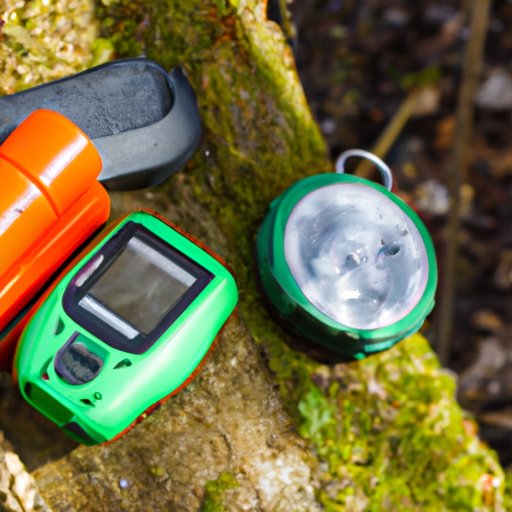
To begin your geocaching adventure, you will need a few supplies, including a GPS device or smartphone, writing implements, and a bag to store your finds. You will also need to create a free account with a geocaching website or app.
Signing Up for a Geocaching Account
The first step to geocaching is signing up for a free account with a geocaching website or app. This will give you access to the database of geocaches and allow you to log your finds and hide your own caches.
Creating an account is easy. All you need to do is visit a geocaching website such as geocaching.com or download a geocaching app such as Cachly or Geocaching Intro. Then, fill out the registration form with your name, email address, and password. Once your account is created, you are ready to start geocaching!
Finding Existing Caches
Once you have created your account, you can begin your search for existing caches. There are two main ways to find caches: using geocaching websites and apps or using traditional paper maps and directions. Most geocachers prefer to use geocaching websites and apps because they provide more detailed information about each cache.
When searching for caches, it is important to pay attention to the difficulty and terrain ratings. The difficulty rating indicates the level of difficulty involved in finding the cache, while the terrain rating tells you how difficult the terrain is. For example, a 5/5 difficulty rating means the cache is very hard to find, while a 1/1 terrain rating means the terrain is relatively easy to traverse.
It is also important to read the cache description before attempting to find it. The cache description will tell you what type of container to look for and any special hints or clues that may help you locate it. Additionally, many geocachers leave logs in the cache, which can provide useful information about the cache’s location.

Preparing for a Successful Hunt
Before heading out on your geocaching adventure, it’s important to prepare properly. Make sure to bring the necessary supplies, such as a GPS device or smartphone, writing implements, and a bag to store your finds. Additionally, dress appropriately for the weather and terrain and be sure to bring plenty of water and snacks.
It is also important to follow safety guidelines while geocaching. Stay on marked trails, let someone know where you are going, and be aware of your surroundings at all times. Additionally, be respectful of the environment and follow Leave No Trace principles when geocaching.
Hiding Your Own Caches
If you’re looking for a new challenge, hiding your own caches can be a fun and rewarding experience. To hide a cache, you will need to purchase a waterproof container and logbook, as well as a few trinkets to place inside the container. Additionally, you will need to choose a spot to hide the cache and make sure it is legal to do so.
When choosing a spot to hide your cache, it is important to consider the difficulty and terrain ratings. You should also make sure the spot is safe and not in an area where people could potentially get hurt. Additionally, it is important to follow the geocaching guidelines set forth by the International Geocaching Association, which includes not placing caches near hazardous areas or private property.
Logging Your Finds Online
Once you have found a cache, it is time to log your find online. When logging your find, make sure to include the date and time, the coordinates, and any notes or observations you may have. Additionally, you can post photos of your find if you wish.
You can also post comments on other geocachers’ logs, which can be a great way to connect with other geocachers and share stories of your adventures. Additionally, you can exchange trackables and participate in geocaching events.
Conclusion
Geocaching is an exciting and rewarding activity that combines technology, exploration, and scavenger hunt-style fun. With the right supplies, preparation, and knowledge, anyone can become a successful geocacher.
(Note: Is this article not meeting your expectations? Do you have knowledge or insights to share? Unlock new opportunities and expand your reach by joining our authors team. Click Registration to join us and share your expertise with our readers.)