
Introduction
The question of whether it is safe to exercise when you have a cold is one that many people struggle with. There are potential risks and benefits associated with exercising with a cold, and it is important to understand both before making any decisions about your activity level. This article will explore the risks and benefits of exercising with a cold, as well as provide advice on how to exercise safely when you’re not feeling well.

Examining the Risks and Benefits of Exercising With a Cold
When considering whether to exercise with a cold, it is important to consider both the potential risks and potential benefits. According to Dr. Aaron Michelfelder, MD, professor of family medicine at Loyola University in Chicago, “It’s an individual decision. You need to evaluate the severity of your symptoms and the intensity of the workout to decide what is best for you.”
Potential Risks Associated With Exercising With a Cold
Exercising with a cold can increase your risk of developing more serious illnesses, such as pneumonia or bronchitis. It can also worsen existing conditions, such as asthma or sinus infections. Additionally, exercising with a cold can cause dehydration, which can lead to fatigue, dizziness, and other complications. Finally, if you are experiencing fever, chills, chest congestion, or severe muscle aches, exercising could put too much strain on your body.
Potential Benefits of Exercising With a Cold
On the other hand, there are potential benefits to exercising with a cold. According to a study published in the journal Medicine & Science in Sports & Exercise, moderate-intensity exercise can help boost immune system function, reduce inflammation, and potentially reduce the duration and severity of your cold symptoms. Additionally, exercise can help reduce stress, improve mood, and promote better sleep, all of which can aid in recovery.

How to Exercise Safely When Sick
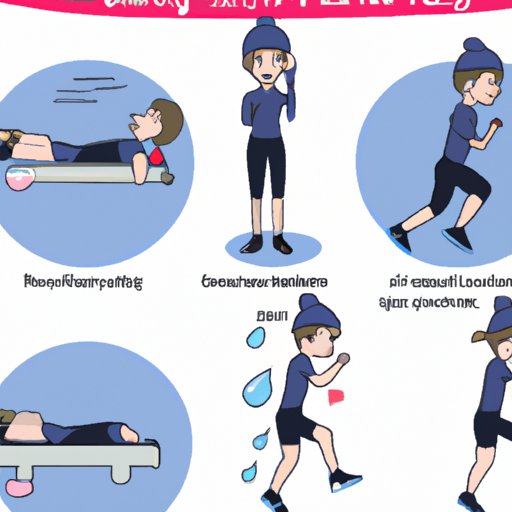
If you decide to exercise when you have a cold, it is important to take extra precautions to ensure your safety. First, avoid high-intensity activities such as running, cycling, and weightlifting. These types of exercises can put too much strain on your body when you are already feeling unwell. Instead, focus on low-impact activities such as walking, yoga, and swimming.
It is also important to pay attention to your body and stop if you feel any discomfort. If you experience dizziness, nausea, or chest pain, it is best to stop immediately and seek medical attention. Additionally, be sure to stay hydrated and drink plenty of fluids throughout your workout.
Understanding the Link Between Exercise and Colds
Regular exercise has been shown to help strengthen the immune system and reduce the risk of catching a cold. A study published in the British Journal of Sports Medicine found that regular exercise may reduce the risk of upper respiratory tract infections by up to 20%. However, it is important to note that over-exercising can have the opposite effect and may actually increase your risk of getting sick.
Should You Exercise or Rest When You Have a Cold?
When deciding whether to exercise or rest when you have a cold, it is important to consider several factors. First, consider the severity of your symptoms. If you have a mild cold and are feeling up to it, light exercise may be beneficial. However, if you are experiencing more severe symptoms, such as fever or chest congestion, it is best to take it easy and rest.
It is also important to listen to your body. If you don’t feel like exercising, don’t force yourself. Instead, try gentle stretching or light walks. Finally, if you do decide to exercise, be sure to start slow and increase your intensity gradually.
Is It Better to Sweat Out a Cold or Take it Easy?
Sweating out a cold is a popular remedy, but it is not necessarily the best option. While exercising can help reduce the severity and duration of cold symptoms, it is important to remember that your body needs rest in order to recover. Additionally, if you are feeling unwell, pushing yourself too hard can put you at risk for further injury or illness.
The best course of action is to listen to your body and take it easy. If you are feeling up to it, gentle exercise such as walking or yoga can be beneficial. Just be sure to stay hydrated and stop if you start to feel worse.

The Pros and Cons of Working Out With a Cold
Working out with a cold can be beneficial, but it is important to consider the potential risks and benefits before exercising. On the one hand, exercise can help reduce the severity and duration of cold symptoms, as well as boost your immune system and reduce stress. On the other hand, exercising with a cold can increase your risk of more serious illnesses, worsen existing conditions, and cause dehydration.
Conclusion
Exercising with a cold can be beneficial or harmful depending on the severity of your illness and the type of exercise you are doing. It is important to consider both the potential risks and potential benefits before deciding whether to exercise or rest when you are sick. Ultimately, the best course of action is to listen to your body and take it easy. If you are feeling up to it, light exercise such as walking or yoga may be beneficial. If not, rest is the best option.
(Note: Is this article not meeting your expectations? Do you have knowledge or insights to share? Unlock new opportunities and expand your reach by joining our authors team. Click Registration to join us and share your expertise with our readers.)