
Introduction
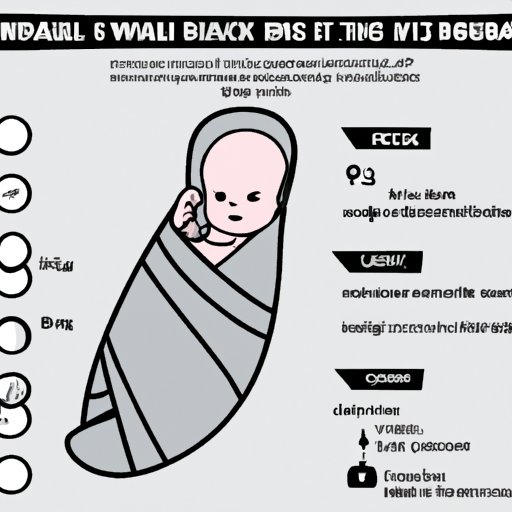
Swaddling has been used for centuries to provide a sense of comfort and security for babies. The practice of swaddling is believed to be beneficial in helping babies sleep more soundly and reducing the risk of sudden infant death syndrome (SIDS). However, there are also potential risks associated with swaddling if it’s done for too long or improperly. In this article, we will explore the benefits and risks of swaddling a baby and provide guidelines for when to stop wrapping your infant.
Exploring the Benefits of Swaddling and How Long is Safe for Your Baby
Swaddling is defined as tightly wrapping a baby in a blanket or cloth so that only the head is visible. It is commonly recommended by pediatricians to help calm an infant and promote better sleep. According to a study published in the journal Pediatrics, swaddling can help reduce newborn crying by up to 43%. This is because swaddling helps to recreate the feeling of being in the womb, providing a sense of security and comfort for babies.
However, swaddling for too long or improperly can present risks for a baby’s health and development. For example, swaddling can increase the risk of overheating if the baby is wrapped too tightly or if too many layers are used. Additionally, swaddling can contribute to hip dysplasia if the baby’s hips and legs are restricted for too long. It is important to understand the benefits and risks of swaddling and to know when it’s time to stop wrapping your infant.
The Science Behind the Swaddle: When to Stop Wrapping Your Infant
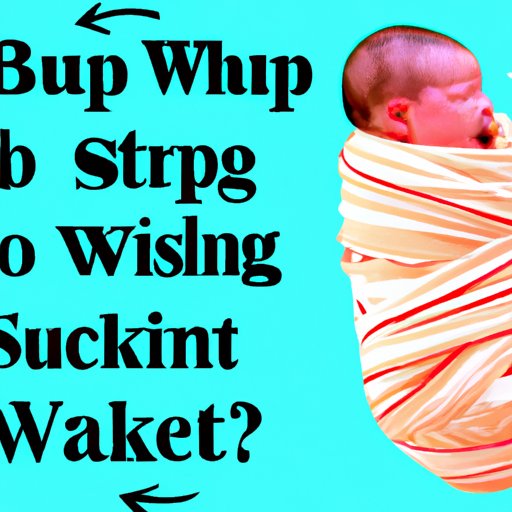
In order to determine when it’s time to stop swaddling your infant, it is important to understand the developmental milestones that signal when it’s time to transition out of swaddling. According to the American Academy of Pediatrics, the ideal time to stop swaddling is when your baby is between 4-6 months old. At this age, babies typically show signs of increased mobility, such as rolling over, which signals that it’s time to stop swaddling. Additionally, babies at this age may start to become more active during sleep, which can indicate that they are ready to move out of swaddling.
It is also important to look for signs in your baby’s behavior that signal it’s time to stop swaddling. If your baby is showing signs of discomfort when wrapped in a blanket or cloth, it may be time to transition out of swaddling. Additionally, if your baby is trying to break free from their swaddle or is waking up frequently, these can be signs that it’s time to stop swaddling.
When Should You Stop Swaddling Your Baby?
When determining when to stop swaddling your baby, there are a few guidelines to keep in mind. Generally, it is recommended to stop swaddling when your baby is between 4-6 months old. However, this timeline can vary depending on factors such as your baby’s age, size, and activity level. Additionally, some babies may be ready to transition out of swaddling earlier than others. It is important to pay attention to your baby’s cues and watch for signs that they are ready to move out of swaddling.
Unwrapping the Facts of Swaddling: What’s the Maximum Time Limit?
The average age for stopping swaddling is between 4-6 months old. However, this timeline can vary depending on individual factors. For example, some babies may be ready to transition out of swaddling earlier than others. Additionally, some babies may need to be swaddled for longer periods of time due to medical conditions or special needs.
It is important to note that continuing to swaddle beyond the maximum time limit can be dangerous for your baby. Over-swaddling can increase the risk of overheating, which can lead to serious health issues. Additionally, over-swaddling can put pressure on your baby’s hips and legs, which can lead to hip dysplasia.
How Long Can You Safely Swaddle Your Newborn?
Newborns generally require more swaddling than older babies, as they are not yet able to control their movements or regulate their own body temperature. Generally, it is recommended to stop swaddling your newborn when they are between 1-3 months old. However, this timeline can vary depending on individual factors such as your baby’s age, size, and activity level.
It is important to begin transitioning out of swaddling before your baby reaches the maximum age limit. This can help to prevent your baby from becoming dependent on being swaddled and can make the transition out of swaddling easier for both you and your baby. Generally, it is recommended to begin transitioning out of swaddling when your baby is between 2-4 months old.
Setting the Record Straight: How Long Is Too Long to Swaddle a Baby?
It is important to understand the reasons for stopping swaddling and the signs that indicate it’s time to stop swaddling. Generally, it is recommended to stop swaddling when your baby is between 4-6 months old. However, this timeline can vary depending on individual factors such as your baby’s age, size, and activity level.
Signs that indicate it’s time to stop swaddling include increased mobility, such as rolling over, and signs of discomfort when wrapped in a blanket or cloth. Additionally, if your baby is trying to break free from their swaddle or is waking up frequently, these can be signs that it’s time to stop swaddling.
A Guide to Knowing When to Stop Swaddling Your Little One
Swaddling can provide a sense of comfort and security for babies, but it is important to know when it’s time to stop swaddling. Here are a few tips for transitioning out of swaddling:
- Pay attention to your baby’s cues and watch for signs that they are ready to move out of swaddling.
- Begin transitioning out of swaddling before your baby reaches the maximum age limit.
- Look for signs in your baby’s behavior that signal it’s time to stop swaddling.
- Be mindful of the risks associated with over-swaddling and stop swaddling before it becomes a habit.
Additionally, there are several alternatives to swaddling that can provide a sense of security and comfort for your baby. These include using a sleep sack or wearable blanket, giving your baby a pacifier, and rocking or cuddling your baby.
Conclusion
Swaddling can provide a sense of comfort and security for babies, but it is important to understand the benefits and risks of swaddling and to know when it’s time to stop wrapping your infant. Generally, it is recommended to stop swaddling when your baby is between 4-6 months old, although this timeline can vary depending on individual factors. Additionally, it is important to look for signs in your baby’s behavior that signal it’s time to stop swaddling and to be mindful of the risks associated with over-swaddling. Alternatives to swaddling can also provide a sense of security and comfort for your baby.
(Note: Is this article not meeting your expectations? Do you have knowledge or insights to share? Unlock new opportunities and expand your reach by joining our authors team. Click Registration to join us and share your expertise with our readers.)