
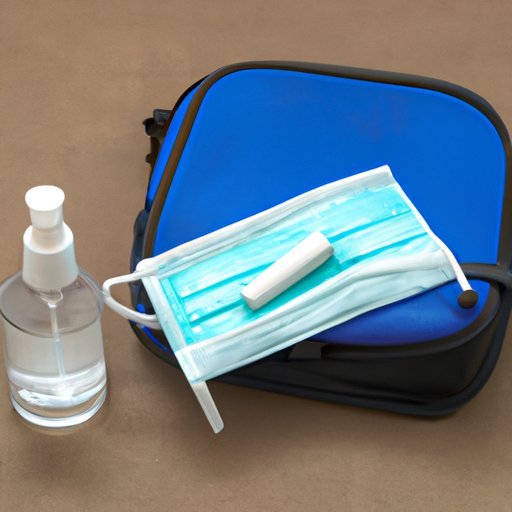
Introduction
The flu, or influenza, is a contagious respiratory illness caused by viruses. It affects the nose, throat, and lungs, and can cause mild to severe symptoms such as fever, chills, body aches, coughs, and fatigue. While most people recover from the flu in a few days, some may require hospitalization or even death.
Travelling with the flu can be risky, as it can spread the virus to others or delay treatment of your own symptoms. Therefore, it is important to understand the risks and take the necessary precautions if you are planning to travel while suffering from the virus.

Tips for Travelling With the Flu
If you are travelling during flu season, there are several steps you can take to reduce the risk of catching or spreading the virus:
Get Vaccinated
Getting vaccinated is one of the best ways to protect yourself from the flu. The Centers for Disease Control and Prevention (CDC) recommends that everyone over 6 months of age get a flu vaccine each year. Vaccines are available in the form of injectable shots or nasal sprays.
Avoid Travel During Peak Flu Season
Most cases of the flu occur between October and May, so it is best to avoid travelling during this time if possible. If you must travel during peak flu season, take extra precautions such as washing your hands often and wearing a mask.
Stay Hydrated
Staying hydrated is key to avoiding dehydration and other complications associated with the flu. Make sure to drink plenty of water and other fluids such as juice and broth throughout the day.
Wear a Mask
Wearing a face mask can help reduce the risk of spreading the virus to others. Make sure to choose a mask made of cloth or paper rather than plastic, which can trap moisture and make it easier for the virus to spread.
Wash Your Hands Often
Frequent handwashing is one of the best ways to prevent the spread of germs. Make sure to wash your hands with soap and water for at least 20 seconds before eating and after using the restroom.
How to Safely Travel When You Have the Flu
If you must travel while suffering from the flu, there are several steps you can take to reduce the risk of spreading the virus:
Check with Your Doctor
Before travelling, check with your doctor to make sure it is safe for you to do so. Your doctor may recommend certain medications or other treatments to help reduce the severity of your symptoms.
Avoid Crowds and Public Spaces
When travelling with the flu, it is important to avoid crowded places and public spaces such as airports and train stations. If possible, try to travel during off-peak hours when there are fewer people around.
Bring Extra Supplies
Make sure to bring extra supplies such as tissues, hand sanitizer, and disinfectant wipes. These items can help reduce the risk of spreading the virus to others.
Pack Healthy Snacks
Eating healthy snacks such as fruits, vegetables, and nuts can help boost your immune system and provide energy. Pack them in your carry-on bag to keep them fresh and easily accessible.
Should You Travel When You Have the Flu?
When deciding whether or not to travel with the flu, it is important to consider your symptoms and understand the risks. Here are a few things to consider:
Consider Your Symptoms
If you have a fever, difficulty breathing, or other severe symptoms, it is best to stay home and rest. If your symptoms are mild, however, you may be able to travel but should take extra precautions.
Understand the Risks
Travelling with the flu can increase the risk of spreading the virus to others, as well as lead to dehydration and exhaustion. Make sure to take the necessary precautions to reduce these risks.
What Are the Risks of Travelling With the Flu?
Travelling with the flu can have serious consequences, including:
Spread the Virus to Others
Travelling with the flu increases the risk of spreading the virus to other passengers and people in public spaces. It is important to take extra precautions such as wearing a mask and washing your hands often to reduce this risk.
Dehydration and Exhaustion
Travelling with the flu can lead to dehydration and exhaustion due to the physical exertion of travelling and the fever associated with the virus. Make sure to drink plenty of fluids and rest often to prevent these symptoms.
Delay in Treatment
Travelling with the flu can delay treatment of your symptoms, as it is difficult to access medical care while travelling. It is important to seek medical attention as soon as possible if your symptoms worsen.

How to Prepare Yourself for a Trip While Suffering From the Flu
If you must travel while suffering from the flu, there are several steps you can take to prepare yourself:
Get Plenty of Rest
Getting plenty of rest will help your body fight the virus and reduce the risk of dehydration and exhaustion. Make sure to get at least 8 hours of sleep each night before your trip.
Bring Medication
Make sure to bring any medication prescribed by your doctor, such as fever-reducing drugs. This can help reduce the severity of your symptoms and make the journey more comfortable.
Wear Comfortable Clothing
Wear loose, comfortable clothing to reduce the risk of dehydration and exhaustion. Avoid tight-fitting clothes, as they can make it difficult to breathe when suffering from the flu.

What to Pack When You Have the Flu and Are Heading Out of Town
When packing for a trip while suffering from the flu, make sure to include the following items:
Fever-Reducing Medication
Bring fever-reducing medication, such as ibuprofen or acetaminophen, to help reduce your fever and make the journey more comfortable.
Hand Sanitizer
Bring hand sanitizer and use it frequently to reduce the risk of spreading the virus to others.
Disinfectant Wipes
Pack disinfectant wipes to clean surfaces such as airplane tray tables, hotel room desks, and public transportation handles.
Thermometer
Bring a thermometer to monitor your temperature and make sure it does not rise above 100.4 degrees Fahrenheit.
Conclusion
Travelling with the flu can be dangerous, so it is important to understand the risks and take the necessary precautions. Be sure to get vaccinated, avoid travel during peak flu season, stay hydrated, wear a mask, and wash your hands often. If you must travel while suffering from the virus, make sure to check with your doctor, avoid crowds and public spaces, bring extra supplies, and pack healthy snacks. Additionally, be sure to bring fever-reducing medication, hand sanitizer, disinfectant wipes, and a thermometer. By following these tips, you can ensure you have a safe and comfortable journey.
(Note: Is this article not meeting your expectations? Do you have knowledge or insights to share? Unlock new opportunities and expand your reach by joining our authors team. Click Registration to join us and share your expertise with our readers.)