
Introduction
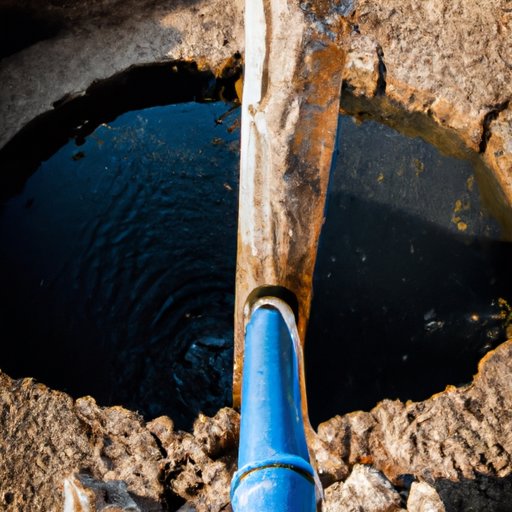
Well water is a type of groundwater, which is water located underground in the cracks and spaces in soil, sand, and rocks. This water is typically accessed through wells that are drilled deep into the ground, allowing people to pump out water from the aquifer below. While groundwater is a renewable resource, it can become depleted if not used responsibly.

Examining the Science Behind Well Water Depletion
Groundwater levels naturally fluctuate over time due to seasonal changes and other environmental factors. However, human activities such as excessive pumping and overuse of wells can cause groundwater levels to drop more quickly than they would normally. According to the United States Geological Survey (USGS), “groundwater depletion can be caused by both natural processes and human activities, and can have serious consequences for the environment and society.”

Exploring Solutions to Preserve Well Water Supply
There are several ways to conserve well water and prevent depletion. For example, people can reduce their water usage by taking shorter showers, turning off taps when brushing teeth or shaving, and using efficient appliances and fixtures. Additionally, installing rainwater harvesting systems and using greywater for non-potable uses can help preserve well water supplies.
In some cases, it may be necessary to find alternative sources of water. Desalination, or the process of removing salt from seawater, is one option. It can provide a reliable source of freshwater for coastal communities. In addition, recycled wastewater and stormwater can also be used for agricultural, industrial, and recreational purposes.
Investigating the Causes of Well Water Decline
Overuse of wells is one of the main causes of well water depletion. As more water is pumped out of the ground, the aquifers become depleted and groundwater levels decrease. Leaking pipes can also lead to an increase in water usage, which can further deplete well water supplies.
Contamination of underground water reserves can also lead to well water decline. Pollutants such as pesticides, fertilizers, and industrial chemicals can seep into the ground and contaminate groundwater supplies. Additionally, oil and gas drilling operations can also cause contamination of well water.

Analyzing Local Regulations Governing Well Water Use
State and local governments have enacted regulations to help manage well water use and prevent depletion. These regulations typically require permits for new wells, restrict pumping during certain times of the year, and impose fines for those who exceed their permitted water use. Additionally, many states have implemented water conservation programs to encourage responsible use of well water.
Comparing Well Water Usage Across Different Regions
Well water usage varies across different regions depending on the availability of surface water and other sources of water. In some areas, well water is the primary source of water for drinking, agriculture, and industry. In other areas, surface water may be more readily available, so well water is used less frequently.
Different strategies may be more cost-effective in different regions. For example, desalination may be more expensive than other options in some areas, while rainwater harvesting may be more affordable in others. Therefore, it is important to consider the local context when developing strategies to conserve well water.
Investigating the Impact of Climate Change on Well Water Resources
Climate change can also affect well water supplies. Changes in rainfall patterns can lead to droughts, which can cause groundwater levels to drop. Additionally, increased temperatures can lead to increased evaporation of groundwater, further reducing well water supplies.
In addition, rising sea levels can contaminate underground water reserves with saltwater, making them unfit for human consumption. Climate change can also cause more frequent floods, which can lead to contamination of well water with pollutants from runoff.
Conclusion
Well water can become depleted if not used responsibly. Human activities such as overuse of wells and contamination of groundwater can lead to a decrease in well water supplies. Conservation methods, alternative sources of water, and local regulations can all help to preserve well water resources and prevent depletion. Additionally, climate change can also have an impact on well water supplies, making it even more important to take steps to conserve this valuable resource.
(Note: Is this article not meeting your expectations? Do you have knowledge or insights to share? Unlock new opportunities and expand your reach by joining our authors team. Click Registration to join us and share your expertise with our readers.)