
Introduction
Exercise is an essential part of keeping your dog healthy and happy. Just like humans need regular activity to stay fit and healthy, so do our canine companions. But how much exercise does your dog need? It can be difficult to know what’s best for your pup, as different breeds have different requirements and preferences. In this article, we’ll explore the benefits of regular exercise for dogs, break down exercise needs by breed, provide tips for incorporating exercise into your dog’s routine, discuss common mistakes to avoid, and look at how to tell if your dog is getting enough exercise.
Definition of Dog Exercise
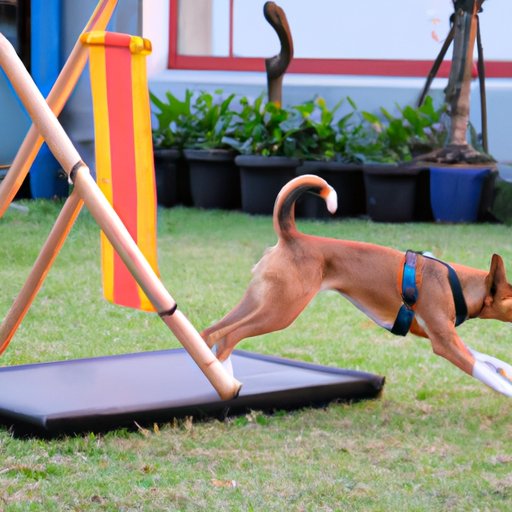
Before we dive into the specifics of dog exercise, let’s first define what it is. According to the American Kennel Club (AKC), “Dog exercise is any physical activity that helps to maintain or improve a dog’s physical health.” This includes activities such as walking, running, playing, swimming, and even agility training. Exercise is important for dogs of all ages, with puppies needing regular activity to help build strong bones and muscles, while older dogs can benefit from lower impact activities such as walking and swimming.
Overview of Benefits of Regular Exercise for Dogs
Regular exercise has numerous benefits for our canine companions. Studies have shown that regular exercise can help reduce stress and anxiety in dogs, increase their energy levels, boost their immune systems, and improve their overall physical and mental wellbeing. Exercise can also help to decrease destructive behaviors in dogs, such as chewing and barking, and help to strengthen the bond between you and your pup.

Breakdown of Exercise Needs by Breed
Now that we’ve discussed the benefits of regular exercise for dogs, let’s take a look at how much exercise different breeds need. Generally speaking, smaller dogs require less exercise than larger dogs, but there are other factors to consider as well. Here’s a breakdown of exercise needs by breed:
Small Dogs
Smaller breeds, such as Chihuahuas, Pomeranians, and Toy Poodles, have relatively low exercise needs. These breeds typically need around 30 minutes of exercise per day, which can include a combination of walking, playing, and mental stimulation. Additionally, these breeds may not require as much physical activity as larger breeds, but they still need plenty of mental stimulation to keep them entertained and engaged.
Medium-Sized Dogs
Medium-sized breeds, such as Beagles, Cocker Spaniels, and Australian Shepherds, have moderate exercise needs. These breeds typically need around 45 minutes of exercise per day, which should include a combination of walking, running, playing, and mental stimulation. Additionally, these breeds may need more physical activity than smaller breeds, but they still need plenty of mental stimulation to keep them engaged and entertained.
Large Dogs
Larger breeds, such as German Shepherds, Labradors, and Golden Retrievers, have higher exercise needs. These breeds typically need around an hour of exercise per day, which should include a combination of walking, running, playing, and mental stimulation. Additionally, these breeds may need more physical activity than smaller and medium-sized breeds, but they still need plenty of mental stimulation to keep them engaged and entertained.
Tips for Incorporating Exercise into Your Dog’s Routine
Now that we’ve discussed the different exercise needs of different breeds, let’s take a look at how to incorporate exercise into your dog’s daily routine. Here are some tips for making sure your pup gets the exercise they need:
Outdoor Activities
One of the best ways to get your dog the exercise they need is to take them outdoors. Walks and runs are great ways to get your pup moving, and they also provide an opportunity for them to explore their environment. Additionally, hikes, trips to the beach, and outdoor playtime are great ways to give your pup some physical activity and mental stimulation.
Indoor Activities
If you don’t have access to a safe outdoor space for your pup, you can still get them the exercise they need indoors. Indoor activities such as playing fetch or tug-of-war, hiding treats around the house for them to find, and teaching them new tricks are all great ways to give your pup some physical activity and mental stimulation.
Mental Stimulation
In addition to physical exercise, mental stimulation is also important for keeping your pup healthy and happy. Puzzles, treat dispensers, and interactive toys are all great ways to give your pup some mental stimulation. Additionally, you can also teach your pup new commands and tricks, or take them to agility classes or doggie daycare to give them some extra mental stimulation.

Common Exercise Mistakes to Avoid
While exercise is important for keeping your pup healthy and happy, there are some common mistakes to avoid when incorporating exercise into your pup’s routine. Here are some mistakes to watch out for:
Over-Exercising
It’s important to make sure your pup isn’t getting too much exercise. Over-exercising can lead to joint problems, muscle soreness, and exhaustion. If your pup is exhibiting signs of exhaustion, such as panting heavily or refusing to move, it’s time to take a break.
Not Varying Exercises
It’s important to vary your pup’s exercise routine. Doing the same type of exercise every day can lead to boredom and burnout. Try to mix up your pup’s exercise routine by incorporating different types of activities, such as walks, runs, hikes, and playtime.
Exercising Too Early or Too Late
It’s important to make sure your pup isn’t exercising too early or too late in the day. Exercising too early in the morning or too late at night can disrupt your pup’s sleep schedule, leading to fatigue and reduced energy levels. Aim to exercise your pup during the middle of the day when they have the most energy.

How to Tell if Your Dog is Getting Enough Exercise
Now that we’ve discussed how to incorporate exercise into your pup’s routine, let’s take a look at how to tell if your pup is getting enough exercise. Here are some signs to watch out for:
Observable Signs
If your pup is getting enough exercise, you should observe certain signs. For example, they should be energetic and alert, have a healthy appetite, and exhibit normal sleeping patterns. Additionally, they should be able to keep up on walks and runs without becoming overly tired.
Veterinary Checkups
It’s also important to take your pup for regular checkups with the vet. During these checkups, the vet will be able to assess your pup’s overall health and wellbeing, and make recommendations for exercises and activities that are suitable for your pup’s age, breed, and size.
Conclusion
In conclusion, it’s important to understand your dog’s exercise needs in order to keep them healthy and happy. Regular exercise has numerous benefits for our canine companions, including reducing stress and anxiety, increasing energy levels, boosting the immune system, and improving overall physical and mental wellbeing. Different breeds have different exercise requirements, so it’s important to research the specific needs of your pup. Additionally, it’s important to incorporate a variety of activities into your pup’s routine, and to avoid over-exercising or exercising too early or too late in the day. Finally, watch out for observable signs and take your pup for regular checkups with the vet in order to make sure they are getting enough exercise.
(Note: Is this article not meeting your expectations? Do you have knowledge or insights to share? Unlock new opportunities and expand your reach by joining our authors team. Click Registration to join us and share your expertise with our readers.)