
Introduction
The arrival of puppies is an exciting time for any pet parent. Knowing when your dog is about to go into labor can be nerve-wracking though. It’s important to provide a safe and comfortable environment for your dog before labor begins. With proper preparation and understanding of the birthing process, you can help your dog go into labor successfully. This article will explore the steps and tips to help your dog go into labor.
Provide a Warm, Safe Environment
Creating a warm, safe nest is essential for your dog while they are in labor. A quiet area with minimal distractions is best to keep your dog relaxed. Provide a soft bedding such as blankets or towels for your dog to lie on. Make sure the area is not too drafty or cold, as this could cause your dog discomfort.
Monitoring temperature and humidity levels in the room is also important. According to a study published in the journal Veterinary Medicine and Science, “ambient temperatures > 28 °C (82.4 °F) and relative humidity > 70% should be avoided during parturition.” If the temperature is too high, it can lead to overheating and dehydration, which can be dangerous for both mother and puppies.

Offer Nutritious Food and Water
Your dog will need plenty of energy to get through labor, so it’s important to offer nutritious food and water. Choose a high-quality food that is rich in protein and fat. You may also consider adding a supplement such as fish oil to boost your dog’s energy levels. Offer small meals throughout the day but do not overfeed your dog as this can cause digestive problems.
Ensure your dog has access to fresh, clean water at all times. Dehydration can be dangerous for both mother and puppies, so it’s important to keep your dog hydrated throughout labor. If your dog does not seem interested in drinking, try offering ice cubes or wetting their food with warm water to encourage them to drink.
Monitor Temperature and Nesting Behaviors
Checking your dog’s temperature is an important step to monitor when helping your dog go into labor. Normal body temperature for dogs ranges from 100 to 102.5 degrees Fahrenheit. If your dog’s temperature drops below 99 degrees Fahrenheit, it could be a sign of impending labor.
Observing your dog’s nesting behaviors is also important. If your dog seems restless and is trying to make a nest out of blankets or towels, it could be a sign that labor is close. Your dog may also start panting more than usual or become increasingly vocal. These are all signs that labor is approaching.

Administer Oxytocin or Other Medication
If your dog is overdue for labor, your veterinarian may suggest administering oxytocin or other medications to induce labor. Oxytocin is a hormone that helps stimulate contractions. It is important to consult with your veterinarian before administering any medication. Discuss the benefits and risks associated with the medication to ensure it is safe for your dog.
Gently Massage the Abdomen
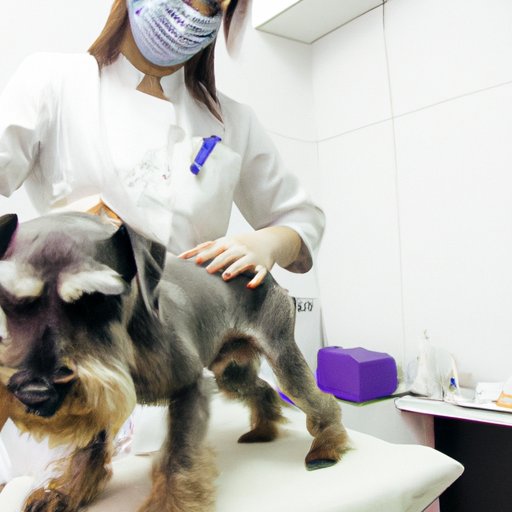
Gently massaging your dog’s abdomen can help stimulate labor. Use gentle circular motions to apply pressure to the abdomen. This can help your dog relax and encourage contractions. Monitor your dog for signs of contractions and stop the massage if your dog appears uncomfortable.
Seek Veterinary Assistance When Necessary
If your dog is overdue for labor or appears to be in distress, it is important to seek veterinary assistance immediately. Signs of complications include bleeding, difficulty breathing, or excessive straining. If you notice any of these signs, contact your veterinarian right away.
Conclusion
Helping your dog go into labor can be a stressful experience, but with proper preparation and understanding of the birthing process, you can provide a safe and comfortable environment for your dog. Make sure to create a warm and quiet nest, offer nutritious food and water, monitor temperature and nesting behaviors, administer oxytocin or other medications as advised by the vet, and gently massage the abdomen. Remember to seek veterinary assistance if you notice any signs of distress or complications.
(Note: Is this article not meeting your expectations? Do you have knowledge or insights to share? Unlock new opportunities and expand your reach by joining our authors team. Click Registration to join us and share your expertise with our readers.)