
Introduction
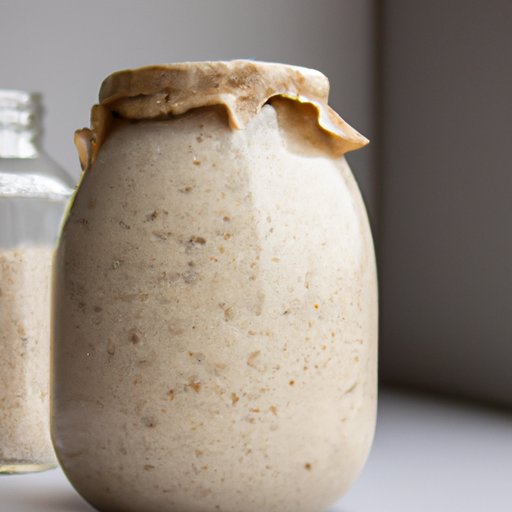
Sourdough starter is a fermented mixture of flour and water that is used to leaven bread and other baked goods. It’s made by combining these two ingredients and allowing them to sit and ferment for several days until they become bubbly and active. The process of making sourdough starter may seem intimidating, but it’s actually quite simple once you understand the basics. Here, we will provide an overview of why you should make sourdough starter, a step-by-step guide on how to do so, tips for success, and troubleshooting common issues with making sourdough starter.
Why Make Sourdough Starter?
Making your own sourdough starter from scratch can be rewarding and cost-effective. It also allows you to have complete control over the flavor and texture of the bread you create using it. Plus, there are numerous health benefits associated with eating sourdough bread. According to a study published in the journal Nutrients, “Sourdough bread has been shown to have higher levels of bioavailable iron and zinc, which are essential minerals for our health. It has also been proven to reduce glycemic response significantly compared to regular white bread.”
Step-by-Step Guide to Making Sourdough Starter
Making sourdough starter is a relatively simple process, but it does require some patience. Here is a step-by-step guide on how to make it:
Gather Necessary Ingredients
To make sourdough starter, you will need just two ingredients: all-purpose flour and filtered water. You can use any type of flour you prefer, but all-purpose works best. Avoid using any type of self-rising flour, as it already contains baking powder or baking soda.
Prepare Ingredients
Once you’ve gathered your ingredients, measure out equal parts of flour and water. Start with ¼ cup each, then adjust as needed. Combine the ingredients in a medium bowl and stir until everything is evenly incorporated.
Begin Fermentation Process
Transfer the mixture to a clean glass jar and cover it with a lid or cheesecloth. Place the jar in a warm spot (ideally 75-85°F) and allow it to sit for 24 hours. After 24 hours, discard half of the mixture and add an equal amount of flour and water. Again, mix until everything is combined and let it sit for another 24 hours.
Continue this process of discarding half and adding fresh flour and water every 24 hours until the starter becomes bubbly and active. This can take anywhere from 3-7 days depending on the temperature and humidity of your environment. Once the starter is ready, it can be used immediately or stored in the refrigerator for future use.
Tips for Successfully Making Sourdough Starter
Making sourdough starter is not an exact science, so there are a few tips and tricks you can use to ensure success. Here are a few tips to keep in mind when making your own starter:
Monitor the Temperature
The key to successful fermentation is maintaining a consistent temperature. The ideal temperature range for fermentation is between 75-85°F. If your environment is too cold, the fermentation process will take longer, and if it’s too hot, the starter may not rise properly. If necessary, you can use an electric heating pad or a heated blanket to maintain a consistent temperature.
Store Starter in an Airtight Container
When storing your sourdough starter, make sure to use an airtight container. This will prevent the starter from drying out or becoming contaminated. A Mason jar or glass container with a lid works well.
Feed Starter Regularly
If you plan to store your starter in the refrigerator, you will need to feed it regularly. Feeding your starter consists of removing half of the existing starter and replacing it with equal parts flour and water. This should be done at least once a week, or whenever the starter starts to look dry or inactive.

Troubleshooting Common Issues with Making Sourdough Starter
When making sourdough starter, it’s important to be aware of some common issues and how to troubleshoot them. Here are a few of the most common issues and how to fix them:
Starter Is Too Dry
If your starter is too dry, it can be difficult to get it to rise. To fix this issue, add a small amount of water to the starter and mix it until it reaches a thick yet spreadable consistency. Then, let it sit for 24 hours before discarding half and adding more flour and water.
Starter Is Too Wet
If your starter is too wet, it will not be able to hold its shape. To fix this issue, add a small amount of flour to the starter and mix it until it reaches a thick yet spreadable consistency. Then, let it sit for 24 hours before discarding half and adding more flour and water.
Starter Is Not Risen
If your starter isn’t rising after several days, it may be due to a lack of warmth. To fix this issue, move the starter to a warmer spot and let it sit for 24 hours before discarding half and adding more flour and water. If the starter still isn’t rising, you may need to start over with new ingredients.
Recipes Using Sourdough Starter
Now that you know how to make sourdough starter, you can begin experimenting with different recipes. Here are a few delicious recipes to try:
Sourdough Bread
Sourdough bread is one of the most popular recipes using sourdough starter. To make it, mix together 2 ½ cups of bread flour, 1 teaspoon of salt, and ¾ cup of active sourdough starter. Knead the dough for 10 minutes, then let it rise for 8-12 hours. Shape the dough into a loaf and bake it at 425°F for 25-30 minutes.
Sourdough Pizza Dough
Sourdough pizza dough is a great way to add a unique flavor to your favorite pizzas. To make it, combine 2 cups of bread flour, ½ teaspoon of salt, and ½ cup of active sourdough starter. Knead the dough for 10 minutes, then let it rise for 8-12 hours. Roll the dough into a thin crust and top with your favorite toppings. Bake at 425°F for 20-25 minutes.
Sourdough Pancakes
Sourdough pancakes are a great way to start the day. To make them, combine 1 cup of all-purpose flour, 1 teaspoon of baking soda, ¼ teaspoon of salt, 1 tablespoon of sugar, and ½ cup of active sourdough starter. Whisk the ingredients together until smooth, then cook the pancakes in a lightly greased skillet over medium heat. Top with butter, syrup, or your favorite toppings.
Conclusion
Making sourdough starter is a simple yet rewarding process. With this guide, you should now have a better understanding of how to make sourdough starter, as well as tips for success and troubleshooting common issues. Now that you know how to make sourdough starter, you can begin experimenting with different recipes such as sourdough bread, pizza dough, and pancakes.
(Note: Is this article not meeting your expectations? Do you have knowledge or insights to share? Unlock new opportunities and expand your reach by joining our authors team. Click Registration to join us and share your expertise with our readers.)