

Introduction
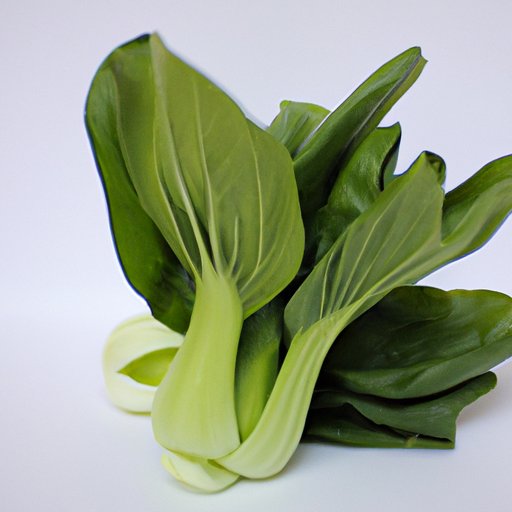
Bok choy is a leafy green vegetable that is part of the cruciferous family of vegetables. It is often used in Asian dishes but is becoming increasingly popular in western cuisine due to its nutritional benefits. This article will explore the nutritional benefits and potential risks of incorporating bok choy into a healthy diet.
Nutritional Benefits of Bok Choy
Bok choy is a nutrient-dense food with a variety of vitamins and minerals. According to the USDA National Nutrient Database, one cup of cooked bok choy contains:
- Vitamin A (8% of the daily value)
- Vitamin C (44% of the daily value)
- Folate (13% of the daily value)
- Calcium (10% of the daily value)
- Iron (3% of the daily value)
- Potassium (7% of the daily value)
In addition to these nutrients, bok choy is also a good source of dietary fiber, which is important for digestive health. One cup of cooked bok choy contains 1.4 grams of fiber, which is approximately 6% of the daily recommended value.
How to Incorporate Bok Choy into a Healthy Diet
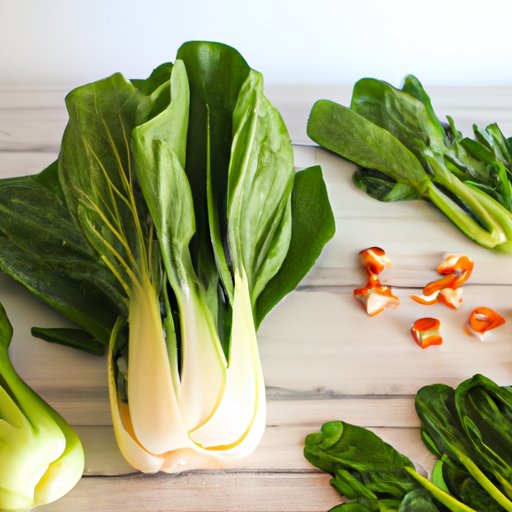
Bok choy can be incorporated into a healthy diet in a variety of ways. It can be eaten raw in salads or cooked in stir-fries, soups, and other dishes. It can also be steamed or boiled for a quick and easy side dish. Here are some delicious and nutritious recipes featuring bok choy:
- Stir-Fried Bok Choy with Garlic
- Sesame Bok Choy Salad
- Stir-Fried Bok Choy with Ginger and Garlic
- Bok Choy Soup
Health Benefits of Eating Bok Choy
Eating bok choy provides numerous health benefits. Studies have shown that bok choy can improve digestion, lower blood pressure, reduce the risk of cancer, and improve bone health. Here’s a closer look at the science behind these health benefits:
Improved Digestion
Bok choy is a good source of dietary fiber, which helps to keep your digestive system running smoothly. Fiber helps to promote regular bowel movements and can help prevent constipation. A study published in the American Journal of Clinical Nutrition found that increasing dietary fiber intake can significantly reduce the risk of developing diverticulitis, a condition characterized by inflammation of the intestines.
Lower Blood Pressure
Bok choy is an excellent source of potassium, a mineral that helps to regulate blood pressure. According to a study published in the British Journal of Nutrition, increasing potassium intake can significantly reduce both systolic and diastolic blood pressure.
Reduced Risk of Cancer
Bok choy is rich in antioxidants, which have been linked to a reduced risk of certain types of cancer. A meta-analysis published in the European Journal of Nutrition found that people who consume higher amounts of fruits and vegetables, including bok choy, have a lower risk of developing colorectal cancer.
Improved Bone Health
Bok choy is an excellent source of calcium, a mineral that is essential for bone health. According to a study published in the Osteoporosis International, adequate calcium intake can help reduce the risk of osteoporosis and other bone-related diseases.

Exploring the Healthiest Ways to Cook Bok Choy
When cooking bok choy, it’s important to choose the healthiest cooking method. Boiling is one of the best ways to prepare bok choy, as it preserves most of the nutrients and flavor. Grilling and baking are also healthy options, as they add flavor without adding fat or calories. However, it’s important to avoid frying bok choy, as this can significantly increase the fat and calorie content of the dish.
Comparing Bok Choy to Other Leafy Greens
Bok choy is not the only leafy green that can provide health benefits. Kale, spinach, and collard greens are all excellent sources of vitamins, minerals, and fiber. But bok choy stands out from the crowd due to its high vitamin C content, which is important for immune health. In addition, bok choy is low in calories and fat, making it an ideal choice for weight loss.
Examining the Potential Risks of Consuming Bok Choy
Although bok choy has many nutritional benefits, there are some potential risks associated with consuming it. The most common risk is food poisoning, which can occur if the vegetable is not properly washed before eating. Additionally, some people may experience allergic reactions to bok choy, such as skin rashes or stomach pain. Lastly, bok choy contains oxalates, which can cause kidney stones in some individuals.
Conclusion
Overall, bok choy is an incredibly nutritious and versatile vegetable. It is packed with vitamins, minerals, and fiber and can be enjoyed in a variety of dishes. However, it is important to take precautions when preparing bok choy, as it can pose some risks if not handled properly. With proper preparation and cooking methods, bok choy can be a tasty and healthy addition to any diet.
(Note: Is this article not meeting your expectations? Do you have knowledge or insights to share? Unlock new opportunities and expand your reach by joining our authors team. Click Registration to join us and share your expertise with our readers.)