
Introduction
Camping is one of the most popular outdoor activities in the United States. According to a 2019 report by The Outdoor Foundation, over 42 million Americans went camping in 2018—a nearly 7% increase from 2017. As more people are looking to explore the great outdoors, the question of “what do you need for a camping trip?” becomes ever more pressing.
The purpose of this article is to help answer that question and provide a comprehensive guide to getting ready for your next camping trip. We’ll start by discussing the essential gear needed for a successful camping adventure, then move on to tips for packing lightly, the benefits of camping with kids, how to choose the right campsite, the best foods to bring, and finally, essential safety tips. Let’s dive in!
A Comprehensive List of Necessary Gear for Camping Trips
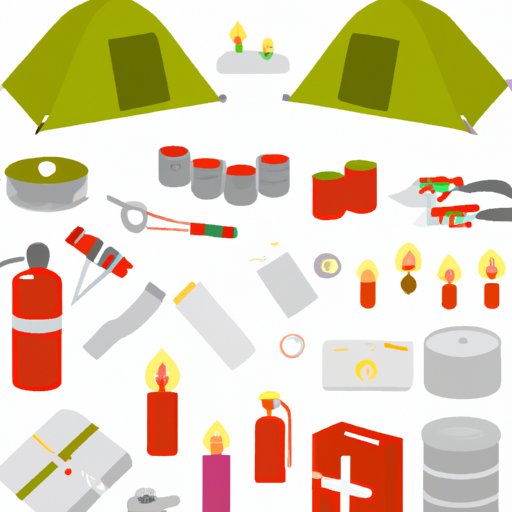
When it comes to camping gear, there are certain items that are absolutely essential. Here’s a list of the most important items you should make sure you have before heading out into the wilderness:
Tent
The first item on the list is a tent. Depending on the size of your group, you may need a single-person tent or a large family-style tent. When choosing a tent, consider the season you plan to camp in, as well as the type of terrain you’ll be camping in. Look for features like waterproofing, UV protection, and breathability.
Sleeping Bag
Next up is a good quality sleeping bag. Make sure to pick a sleeping bag designed for the season and temperature range you expect to encounter on your camping trip. Down sleeping bags are generally more lightweight and compressible than synthetic sleeping bags, but synthetic bags retain their warmth better if they get wet.
Sleeping Pad
A sleeping pad is an important piece of gear for any camping trip. It provides insulation between you and the cold ground, which can help keep you warm on chilly nights. Choose a sleeping pad that is lightweight and easy to inflate/deflate.
Backpack
A backpack is essential for carrying all of your camping gear. When choosing a backpack, look for one with plenty of pockets and compartments for storing smaller items and a comfortable harness system for carrying heavier loads.
Cooking Gear
No camping trip is complete without some form of cooking gear. If you’re planning on cooking a full meal, you’ll need a stove, fuel, pots and pans, utensils, and plates. For quick and easy meals, consider bringing a propane grill or a campfire grill.
Water Purification System
If you’re camping in an area where you’ll be relying on natural sources of water, it’s important to bring along a water purification system. This could be something as simple as a filter straw or a larger system such as a pump filter or ultraviolet light purifier.
First Aid Kit
It’s always a good idea to bring a first aid kit when you go camping. This should include bandages, antiseptic wipes, antibiotic ointment, painkillers, and other items that could come in handy in case of minor injuries.
Flashlight/Lantern
Having a reliable source of light is essential for camping trips. Make sure to bring a flashlight and extra batteries, as well as a lantern if you plan to be outside after dark.
Firestarter
Unless you plan to cook all of your meals over a campfire, you won’t need to bring a lot of firestarting supplies. However, it’s always a good idea to have a few pieces of firewood, some kindling, and a lighter or matches in case you need to start a fire.
Other Necessary Gear
In addition to the items listed above, there are a few other pieces of gear that are essential for any camping trip. These include a map and compass, sunscreen, insect repellent, toilet paper, and trash bags.

Tips on How to Pack Lightly for a Camping Trip
One of the keys to having a successful camping trip is learning how to pack lightly. Here are a few tips to help you pack efficiently:
Prioritize Essential Items
Start by making a list of essential items that you must bring on your camping trip. Once you have your list, make sure to prioritize those items and focus on only packing the absolute necessities.
Choose Versatile Clothing
When selecting clothing for your camping trip, choose items that are versatile and can be layered for different temperatures. It’s also a good idea to bring clothes that are quick-drying and moisture-wicking.
Use Multi-Purpose Gear
Look for items that can serve multiple purposes. For example, a camping pillow can also be used as a seat cushion or a backpacking pillow. Or, a multi-tool can be used for a variety of tasks, from cutting rope to tightening screws.
Utilize Compression Sacks
Compression sacks are a great way to save space and reduce the overall weight of your gear. They can be used to compress bulky items such as sleeping bags and clothes, allowing you to fit more in your pack.

The Benefits of Camping with Kids
Camping is a great activity for families, especially when kids are involved. Here are a few benefits of camping with kids:
Quality Family Time
Camping is a great way for families to bond and spend quality time together. Without the distractions of technology and everyday life, families can focus on being present and enjoying each other’s company.
Education Through Nature
Camping is an excellent opportunity for children to learn about nature and the environment. From identifying plants and animals to exploring the night sky and appreciating the beauty of the outdoors, camping can provide invaluable educational experiences.
Building Self-Reliance
Camping is also a great way to teach children self-reliance and problem-solving skills. By participating in activities such as setting up a tent, starting a fire, or finding their way around a campsite, children can gain confidence in their own abilities.
How to Choose the Right Campsite
Choosing the right campsite is an important part of any camping trip. Here are a few things to consider when deciding on a campsite:
Consider the Location
Think about the location of the campsite and how close it is to the activities you want to do. Is it near hiking trails? Is it close to swimming spots? Are there other amenities nearby?
Look at Amenities
Check to see if the campsite has any amenities such as showers, bathrooms, picnic tables, fire pits, or playgrounds. This can be helpful in determining whether the campsite is right for you and your family.
Read Reviews
It’s always a good idea to read reviews of the campsite before booking. This can give you an idea of what to expect and help you avoid any unpleasant surprises.
Make Sure It’s Legal
Finally, make sure the campsite is legal. Some public lands may require permits for camping, so it’s important to check the local regulations before setting up camp.

The Best Foods to Bring Camping
When it comes to food, there are a few categories of items you should consider bringing on your camping trip:
Non-Perishable Items
These are items that don’t require refrigeration, such as canned goods, dried fruits and nuts, granola bars, and jerky. These items are great for quick and easy meals.
Quick Meals
If you’re looking for something more substantial, consider bringing quick meals such as instant oatmeal, pre-made sandwiches, or freeze-dried meals. These items can be prepared quickly and easily over a campfire or stove.
Snacks
Don’t forget to bring snacks for energy throughout the day! Trail mix, energy bars, and popcorn are all great options for camping snacks.
Essential Safety Tips for Campers
Finally, here are a few essential safety tips for campers:
Know Your Surroundings
Before setting up camp, take some time to familiarize yourself with your surroundings. Pay attention to any potential hazards and know the quickest route to the nearest medical facility.
Practice Fire Safety
If you plan to cook over a campfire, make sure to practice proper fire safety. Build your fire away from flammable objects and never leave it unattended. Make sure to fully extinguish the fire before leaving the campsite.
Be Aware of Wildlife
Wild animals can be unpredictable, so it’s important to be aware of your surroundings and stay alert for any potential wildlife encounters. Know the signs of danger and what to do if you encounter an animal.
Stay Hydrated
Staying hydrated is key for any camping trip. Make sure to bring plenty of water and drink often to prevent dehydration. If you’re relying on natural sources of water, make sure to purify it before drinking.
Conclusion
With the right gear and preparation, your camping trip can be a safe and enjoyable experience. This article discussed what you need for a camping trip and provided tips for packing lightly, the benefits of camping with kids, how to choose the right campsite, the best foods to bring, and essential safety tips.
(Note: Is this article not meeting your expectations? Do you have knowledge or insights to share? Unlock new opportunities and expand your reach by joining our authors team. Click Registration to join us and share your expertise with our readers.)