
Introduction
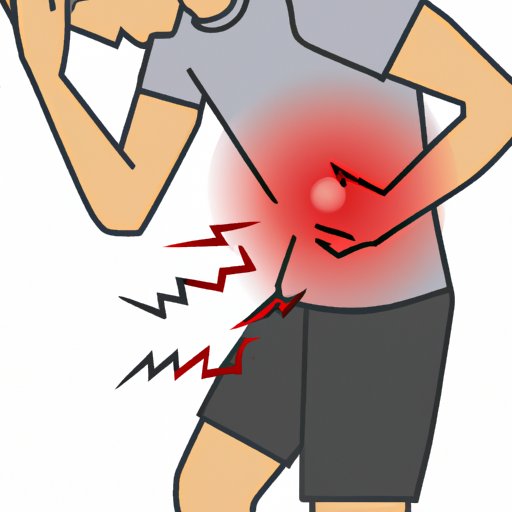
Muscle soreness after exercise is a common occurrence for those who are active. It can range from mild to severe and can affect both the muscles that were used during the workout and even other muscles that weren’t worked. Understanding the causes of muscle soreness and how to prevent or reduce it can help athletes and fitness enthusiasts stay active and healthy.

The Science Behind Muscle Soreness After Exercise
When muscles are worked during exercise, microscopic tears occur in the muscle fibers. These tears are a normal part of the body’s response to physical activity and are necessary for muscle growth and strength. However, these tears can cause inflammation, which leads to muscle soreness and stiffness.
Common Causes of Post-Exercise Muscle Soreness
There are several common causes of muscle soreness after exercise. Overworking muscles, using poor form and technique, not warming up or cooling down properly, and dehydration can all lead to muscle soreness.
Overworking muscles is one of the most common causes of muscle soreness. When muscles are worked beyond their current capacity, they become stressed and inflamed, leading to soreness. This is why it’s important to increase intensity gradually when starting a new exercise program.
Using poor form and technique can also lead to muscle soreness. When exercises are performed incorrectly, the muscles are forced to work harder than they should be, leading to overuse and soreness. It’s important to learn proper form and technique for each exercise to avoid muscle soreness.
Not warming up or cooling down properly can also lead to muscle soreness. Warming up helps to prepare the muscles for exercise and increases blood flow to the muscles, while cooling down helps to reduce muscle fatigue and decrease the risk of injury. Both are essential for avoiding muscle soreness.
Finally, dehydration can lead to muscle soreness. When the body is dehydrated, it can’t properly flush out toxins and waste products, which can lead to inflammation and soreness. Drinking plenty of water before, during, and after exercise can help to prevent dehydration and muscle soreness.
How To Prevent Muscle Soreness After Exercise
There are several ways to prevent or reduce muscle soreness after exercise. Warming up and cooling down properly, using proper form and technique, increasing intensity gradually, and staying hydrated are all important for avoiding muscle soreness.
Warming up and cooling down properly can help to prepare the muscles for exercise and reduce muscle fatigue afterwards. Doing dynamic stretches before a workout can help to increase blood flow to the muscles and warm them up, while doing static stretches after a workout can help to reduce muscle tension and soreness.
Using proper form and technique is also important for avoiding muscle soreness. Learning correct form and technique for each exercise can help to ensure that the muscles are working efficiently and are not being overworked.
Increasing intensity gradually is also important for avoiding muscle soreness. Starting off at a lower intensity and gradually increasing the intensity can help to give the muscles time to adjust and reduce the risk of overworking them.
Finally, staying hydrated is key for avoiding muscle soreness. Drinking plenty of water before, during, and after exercise can help to keep the body hydrated and reduce the risk of muscle soreness.
Understanding Delayed Onset Muscle Soreness (DOMS)
Delayed onset muscle soreness (DOMS) is a type of muscle soreness that occurs 24-48 hours after exercise. It is caused by tiny tears in the muscle fibers and is usually more intense than regular post-exercise soreness. Symptoms of DOMS include muscle pain, stiffness, and reduced range of motion. It typically lasts for 1-3 days and can be relieved with rest and stretching.
Stretching Techniques To Reduce Post-Exercise Muscle Soreness
Stretching is an effective way to reduce post-exercise muscle soreness. Stretching can help to increase flexibility and reduce muscle tension, which can help to reduce muscle soreness. Dynamic stretching before a workout can help to warm up the muscles, while static stretching after a workout can help to reduce muscle tension and soreness.
Nutrition Tips For Reducing Post-Exercise Muscle Soreness
Eating a balanced diet is important for reducing post-exercise muscle soreness. Consuming plenty of fruits, vegetables, lean proteins, and healthy fats can help to provide the body with the nutrients it needs to recover from exercise. It’s also important to avoid processed foods, which can be inflammatory and cause muscle soreness.

Supplements For Reducing Muscle Soreness After Exercise
Supplements can also be used to reduce muscle soreness after exercise. Omega-3 fatty acids, protein powder, antioxidants, and electrolytes can all help to reduce inflammation and muscle soreness. It’s important to follow dosage guidelines when taking supplements to avoid any adverse effects.
Conclusion
Muscle soreness after exercise is a common occurrence for those who are active. Understanding the causes of muscle soreness and how to prevent or reduce it can help athletes and fitness enthusiasts stay active and healthy. Warming up and cooling down properly, using proper form and technique, increasing intensity gradually, and staying hydrated are all important for avoiding muscle soreness. Eating a balanced diet, stretching, and taking supplements can also help to reduce muscle soreness.
(Note: Is this article not meeting your expectations? Do you have knowledge or insights to share? Unlock new opportunities and expand your reach by joining our authors team. Click Registration to join us and share your expertise with our readers.)