
Introduction
A pharmacist is a healthcare professional who dispenses medications, advises patients on their use, and provides information on drugs. Becoming a pharmacist is a lengthy process that requires dedication and hard work. This article will provide an overview of the length of time it takes to become a pharmacist, as well as a breakdown of the steps and requirements involved in this career.
Becoming a Pharmacist: What You Need to Know About the Time Commitment
Pharmacists must complete a Doctor of Pharmacy (Pharm.D.) degree, which typically takes four years to complete. The Pharm.D. program includes coursework in pharmacology, biology, biochemistry, and other sciences, as well as clinical rotations. After graduating from pharmacy school, pharmacists must also pass a national licensing exam and obtain state licensure before they can practice.
Breaking Down the Education and Training Requirements for a Career in Pharmacy
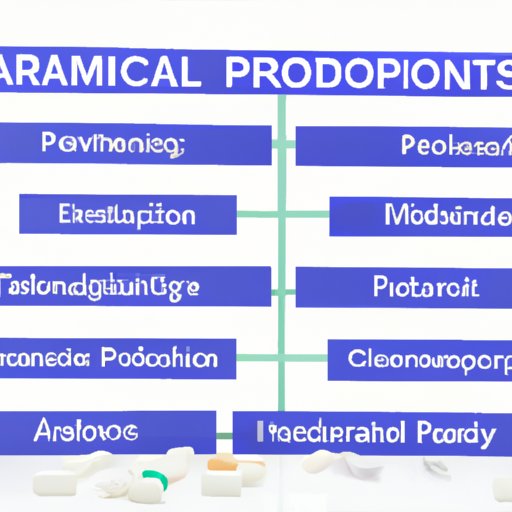
In order to become a pharmacist, you must complete the required coursework and clinical experience. Coursework typically includes anatomy and physiology, pharmacology, medicinal chemistry, pharmaceutical calculations, and pharmacy law. Clinical experience includes internships and rotations in various areas such as community pharmacy, hospital pharmacy, and ambulatory care.
In addition to completing the educational requirements, pharmacists must also pass two national licensing exams: the North American Pharmacist Licensure Examination (NAPLEX) and the Multistate Pharmacy Jurisprudence Examination (MPJE). The NAPLEX tests a candidate’s knowledge of pharmacotherapy and pharmacy practice, while the MPJE tests a candidate’s knowledge of state and federal laws related to pharmacy practice.

Understanding the Timeline to Becoming a Pharmacist
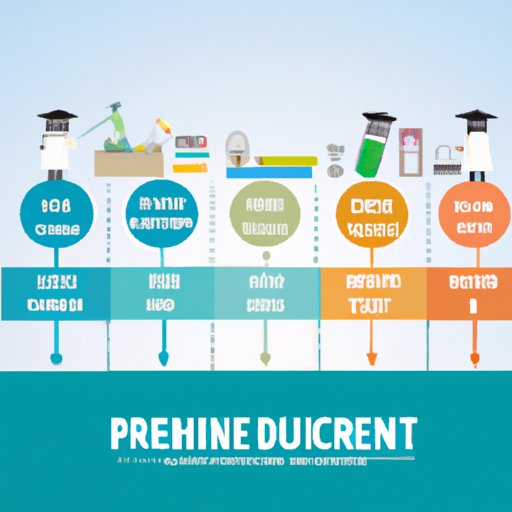
The timeline for becoming a pharmacist involves several steps, including pre-pharmacy preparation, pharmacy school, postgraduate residency, and state licensure. Pre-pharmacy preparation typically takes one to two years and includes taking prerequisite courses such as biology, chemistry, and physics. During this time, students should also prepare for the Pharmacy College Admissions Test (PCAT).
After completing pre-pharmacy preparation, students enroll in a Pharm.D. program. Most programs require four years of study and include coursework in pharmacology, biology, biochemistry, and other sciences, as well as clinical rotations. Upon graduation, students must pass the NAPLEX and MPJE in order to receive their license.
Some pharmacists may choose to pursue a postgraduate residency, which typically lasts one to two years. During this time, pharmacists gain additional clinical experience in specialized areas such as infectious diseases, critical care, or nuclear pharmacy. After completing a residency, pharmacists must apply for state licensure in order to practice.
Conclusion
Becoming a pharmacist is a lengthy process that requires dedication and hard work. In order to become a pharmacist, you must complete a Pharm.D. degree, pass two national licensing exams, and obtain state licensure. The timeline for becoming a pharmacist typically takes six to eight years and includes pre-pharmacy preparation, pharmacy school, postgraduate residency, and state licensure. By understanding the steps involved in becoming a pharmacist and the timeline for this career, you can make an informed decision about whether or not this is the right path for you.
(Note: Is this article not meeting your expectations? Do you have knowledge or insights to share? Unlock new opportunities and expand your reach by joining our authors team. Click Registration to join us and share your expertise with our readers.)