
Introduction
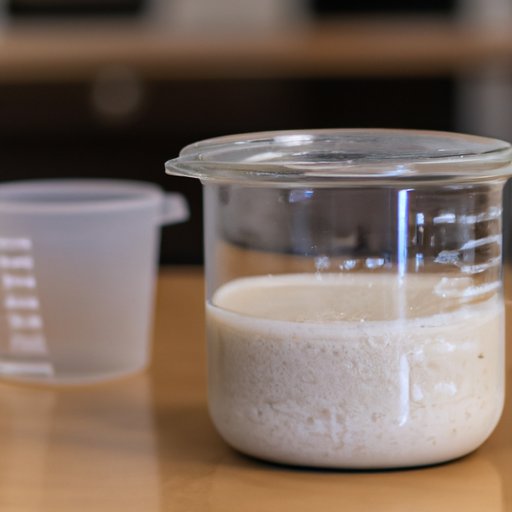
Sourdough starter is the essential ingredient in many traditional bread recipes, giving the dough its signature tangy flavor and chewy texture. But for those new to baking with sourdough, understanding how to properly feed the starter can be a challenge. How much starter should you use? What is the best ratio of water and flour to feed it? How often should you feed it? In this article, we’ll answer these questions and more to help you create a healthy, active starter that is ready for baking.

How to Measure the Right Amount of Sourdough Starter for Your Recipe
The first step in feeding your sourdough starter is making sure you use the right amount for your recipe. According to The Kitchn, “Using too little starter can lead to an underdeveloped or weak dough, while using too much can cause over-fermentation and an overly acidic flavor.” 1 To ensure you get the best results, it’s important to measure the starter accurately.
The Importance of Measuring
When it comes to baking, precision is key. As The Perfect Loaf explains, “Measuring by weight (in grams) is the most accurate way to measure flour and other ingredients.” 2 When measuring out starter for a recipe, it’s best to use a kitchen scale to get an exact measurement. Not only will this ensure your recipe turns out perfectly, but it will also make it easier to adjust the recipe if needed in the future.
Tips for Measuring Accurately
If you don’t have a kitchen scale on hand, there are still ways to measure your starter accurately. The Kitchn recommends using a large spoon or ladle to scoop up the starter and then leveling it off with a knife. 3 This method won’t give you an exact measurement, but it will help you get close. You can also use the volume measurements listed in the recipe as a guide. For example, if the recipe calls for one cup of starter, you’ll know that you need approximately 8 ounces of starter.
A Step-by-Step Guide to Feeding Sourdough Starter
Now that you know how to measure the right amount of starter for your recipe, it’s time to learn how to feed it. This step-by-step guide will walk you through the process of refreshing your starter so it’s ready for baking.
Supplies Needed
Before you get started, you’ll need a few supplies. You’ll need a bowl for mixing, a spoon for stirring, and a kitchen scale for measuring. You’ll also need fresh, unfed starter and fresh flour and water. It’s important to use fresh ingredients when feeding your starter to ensure it stays healthy and active.
Step-by-Step Instructions
Once you have all the necessary supplies, you’re ready to begin. Here are the steps for feeding your starter:
- Measure out the amount of starter called for in the recipe.
- Add equal parts flour and water to the starter and mix until fully combined.
- Cover the bowl with a damp cloth and let it sit at room temperature for 8-12 hours.
- Discard any excess starter and store the remaining starter in the refrigerator.

The Best Ratio of Water and Flour for Feeding Sourdough Starter
When it comes to feeding your starter, the ratio of water and flour is just as important as the amount of starter you use. This ratio, known as the hydration ratio, will determine the consistency of your starter and how active it is. Knowing how to calculate the hydration ratio and choosing the right ratio for your starter will help you create a healthy, active starter.
Understanding Hydration Ratios
The hydration ratio is determined by the ratio of water to flour used in the starter. The higher the ratio, the wetter the starter will be; the lower the ratio, the drier the starter will be. According to The Perfect Loaf, “The ideal hydration ratio for a sourdough starter is around 100%.” 4 This means that for every 100 grams of flour, you should use 100 grams of water.
Choosing the Right Ratio
The hydration ratio you choose for your starter will depend on the type of bread you’re making. Generally speaking, a wetter starter (100% or higher) is best for breads that require a lot of kneading, such as baguettes and sourdough loaves. A drier starter (80-90%) is better for breads that require less kneading, such as pizza dough and flatbreads. You can experiment with different ratios to find the one that works best for you.
How Often Should You Feed Your Sourdough Starter?
Now that you know how to feed your starter, you may be wondering how often you should do so. Feeding frequency will depend on how often you plan to bake with your starter and how active it is. Here’s what you need to know about feeding frequency.
The Basics of Feeding Frequency
The general rule of thumb is to feed your starter once a week if you plan to bake with it regularly. If you’re not planning to bake with it regularly, you can feed it less frequently. According to King Arthur Baking, “If you’re baking with your starter once a week, feed it twice a week. If you’re baking with your starter once a month, feed it once a week.” 5 This will help keep your starter active and healthy.
Determining the Right Frequency for Your Starter
In addition to the general guidelines above, you should also pay attention to your starter’s behavior. If your starter looks sluggish or isn’t rising after being fed, it may need to be fed more often. On the other hand, if your starter is bubbly and active, it may not need to be fed as often. Experiment with different feeding frequencies to find the one that works best for your starter.
Tips and Tricks for Feeding Sourdough Starter
Feeding your starter correctly is essential for creating a healthy, active starter. Here are some tips and tricks to help you get the best results.
Troubleshooting Common Issues
If you’re having trouble getting your starter to rise, there are a few things you can try. First, make sure you’re using the right ratio of water and flour. Second, make sure you’re using fresh ingredients. Third, make sure you’re giving your starter enough time to rise. Finally, make sure the temperature of your kitchen isn’t too hot or too cold. If none of these solutions work, you may need to start over with a new starter.
Additional Tips for Keeping Your Starter Healthy
In addition to troubleshooting common issues, there are a few other tips you can follow to keep your starter healthy. First, make sure to stir your starter before each feeding to help activate the yeast. Second, make sure to discard any excess starter after each feeding to prevent it from becoming too sour. Finally, make sure to store your starter in a covered container in the refrigerator to keep it from drying out.
Conclusion
Feeding your sourdough starter correctly is essential for creating a healthy, active starter. By following the tips and tricks outlined in this article, you’ll be able to create a starter that is ready for baking. Remember to measure the starter accurately, use the right ratio of water and flour, and feed it the right frequency. With practice and patience, you’ll be able to create delicious sourdough breads in no time.
Summary of Key Points
In summary, here are the key points to remember when feeding your sourdough starter:
- Measure the starter accurately.
- Use equal parts flour and water to create the desired hydration ratio.
- Feed the starter once a week, or more often if needed.
- Stir the starter before each feeding.
- Discard any excess starter after each feeding.
- Store the starter in a covered container in the refrigerator.
Final Words of Encouragement
Feeding sourdough starter can seem intimidating at first, but with practice and patience, you’ll be able to create a healthy, active starter that is perfect for baking. Have fun experimenting with different recipes and ratios, and don’t be afraid to ask for help if you need it. Before you know it, you’ll be baking delicious sourdough breads like a pro!
(Note: Is this article not meeting your expectations? Do you have knowledge or insights to share? Unlock new opportunities and expand your reach by joining our authors team. Click Registration to join us and share your expertise with our readers.)