
Introduction
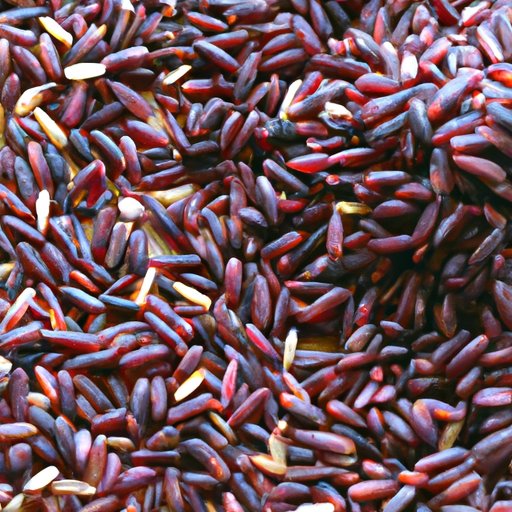
Purple rice is a type of whole grain with a deep purple hue and a nutty flavor. It has gained popularity in recent years due to its potential health benefits and its versatility as an ingredient in many recipes. In this article, we’ll explore the nutritional benefits and potential superfood properties of purple rice, as well as whether it’s healthier than white rice.

Comparison of Nutritional Benefits of Purple Rice vs White Rice
Unlike white rice, which has been stripped of its essential nutrients, purple rice is a whole grain, meaning it contains all parts of the grain, including the bran, germ, and endosperm. This makes it much higher in fiber and other essential vitamins and minerals. For example, one cup of cooked purple rice contains 5 grams of fiber and 7 grams of protein, while white rice contains just 1 gram of fiber and 2 grams of protein.
In addition, purple rice contains more antioxidants than white rice. According to a 2015 study published in the Journal of Food Science, purple rice contains higher levels of phenolic compounds, which are antioxidants that help protect cells from damage caused by free radicals. The same study found that purple rice also contains higher levels of anthocyanin pigments, which can help reduce inflammation in the body.
When it comes to calories and carbohydrates, there’s not much difference between purple rice and white rice. One cup of cooked purple rice contains about 150 calories and 33 grams of carbohydrates, while one cup of cooked white rice contains about 200 calories and 45 grams of carbohydrates.

Exploring the Health Benefits of Purple Rice and Its Potential as a Superfood
The potential health benefits of purple rice have led some people to consider it a “superfood.” Here are some of the potential benefits of purple rice:
Anti-inflammatory Properties
The high levels of antioxidants and anthocyanin pigments in purple rice may help reduce inflammation in the body. According to a 2018 study published in the journal Nutrients, consuming anthocyanins was associated with lower levels of inflammatory markers in the body.
Antioxidant Content
As mentioned above, purple rice contains higher levels of antioxidants than white rice. These antioxidants can help protect cells from damage caused by free radicals, which can lead to chronic diseases such as cancer and heart disease.
Potential for Weight Loss
Because it’s high in fiber and low in calories, purple rice may be beneficial for weight loss. Fiber helps keep you feeling full longer, which can help prevent overeating. Additionally, the high levels of antioxidants and anthocyanins in purple rice may help boost metabolism and burn fat.
Is Eating Purple Rice Better for Your Health Than Eating White Rice?
When it comes to nutrition, there’s no doubt that purple rice is a better choice than white rice. It’s higher in essential vitamins and minerals, and it contains more antioxidants and anti-inflammatory compounds. Additionally, it’s lower in calories and carbohydrates, making it a good choice for those who are trying to lose weight.
However, it’s important to note that there is still debate over whether or not purple rice is truly a “superfood.” While the potential health benefits of purple rice are promising, more research is needed to confirm these benefits.

Ancient Grains: The Health Benefits of Incorporating Purple Rice Into Your Diet
Purple rice is a versatile ingredient that can be used in a variety of recipes. It’s a great way to add color and texture to dishes, and it’s a good source of essential vitamins and minerals. Here are some ideas for incorporating purple rice into your diet:
- Add it to salads, stir-fries, soups, and stews
- Replace white rice with purple rice in your favorite recipes
- Make a breakfast bowl with purple rice, nuts, and fruit
- Use it as a substitute for other grains in risotto or pilaf
An Overview of the Health Benefits of Purple Rice and How to Prepare It
Purple rice is easy to prepare and can be cooked in the same way as white rice. Here is a step-by-step guide to cooking purple rice:
- Rinse the rice in cold water until the water runs clear.
- Place the rice in a pot with two cups of water or broth.
- Bring the mixture to a boil, then reduce the heat to low and cover the pot.
- Simmer for 20 minutes, or until the liquid is absorbed and the rice is tender.
- Remove the pot from the heat and let it sit, covered, for 10 minutes.
- Fluff the rice with a fork before serving.
To enhance the flavor and texture of purple rice, try adding herbs and spices to the cooking liquid, or adding vegetables or beans to the cooked rice. You can also try using chicken or vegetable stock instead of water for extra flavor.
Conclusion
Purple rice is a nutritious and flavorful grain that can be a great addition to any meal. It’s higher in essential vitamins and minerals than white rice, and it contains more antioxidants and anti-inflammatory compounds. Additionally, its low calorie and carbohydrate content make it a good choice for those trying to lose weight. To incorporate purple rice into your diet, try adding it to salads, stir-fries, soups, and stews, or replacing white rice with purple rice in your favorite recipes.
(Note: Is this article not meeting your expectations? Do you have knowledge or insights to share? Unlock new opportunities and expand your reach by joining our authors team. Click Registration to join us and share your expertise with our readers.)