
Introduction
The debate between beer and wine has been going on for centuries. While there are advocates for both beverages, it can be difficult to determine which one is healthier. In this article, we will explore the nutritional benefits of beer and wine, examine their potential health effects, compare their alcohol content and calorie content, and look at the role of both beverages in social settings.
Comparing the Nutritional Benefits of Beer and Wine
Both beer and wine contain some vitamins and minerals, although the exact amounts vary depending on the type of beverage. Red wines are especially rich in antioxidants, such as polyphenols, which can help protect against damage from free radicals. Beer also contains some antioxidants, such as xanthohumol, which can help reduce inflammation and oxidative stress. Both beverages also contain B vitamins, such as thiamine and riboflavin, which are essential for energy production.
Beer and wine also contain other nutrients, such as dietary fiber, protein, and potassium. Beer is a good source of silicon, which is important for bone health, while red wine is a good source of resveratrol, which is thought to have anti-aging properties. Certain types of beer also contain probiotics, which can help support gut health.

Examining the Health Effects of Moderate Beer and Wine Consumption
Moderate consumption of beer and wine has been linked to a number of health benefits. Studies show that moderate drinkers have a lower risk of heart disease and stroke than non-drinkers. Moderate consumption of both beverages has also been linked to an increased lifespan and improved cognitive function.
However, it is important to note that excessive consumption of either beverage can have negative health effects. Excessive alcohol consumption is associated with an increased risk of liver disease, high blood pressure, and certain cancers. It is also important to note that the health benefits of beer and wine only apply to moderate drinkers; heavy drinkers do not experience the same benefits.

Exploring the Different Types of Beer and Wine
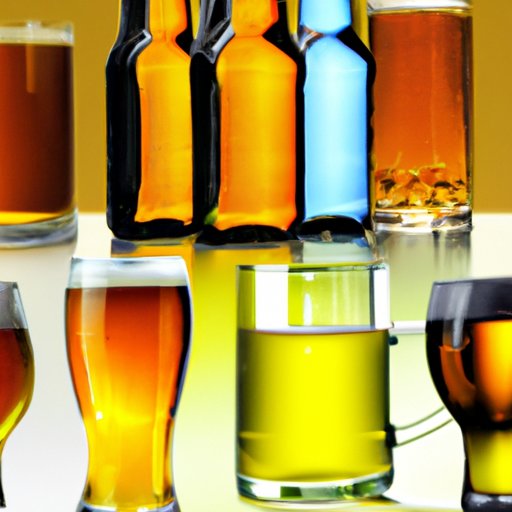
There are many different types of beer and wine available, each with its own unique flavor and aroma. Common types of beer include lagers, ales, stouts, and porters. Common types of wine include white, red, rosé, and sparkling. The type of beer or wine you choose will depend on your personal preference.
Investigating Alcohol Content in Beer and Wine
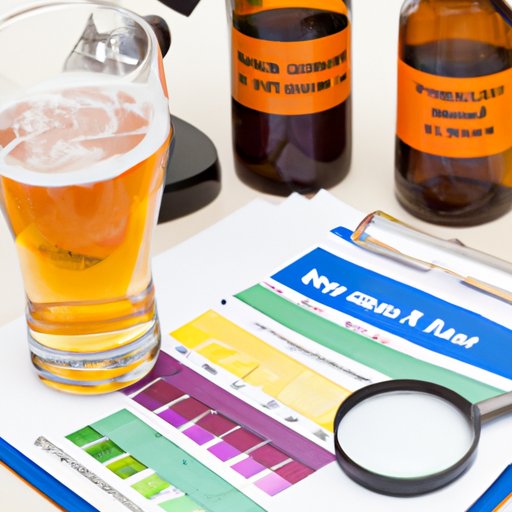
Alcohol content is an important factor to consider when choosing between beer and wine. Beer typically has a higher alcohol by volume (ABV) content than wine. The average ABV of beer ranges from 4-6%, while the average ABV of wine is around 11-14%. The ABV of both beverages can vary greatly depending on the type.
Analyzing the Calorie Content of Beer and Wine
Calorie content is another important factor to consider when choosing between beer and wine. Beer generally has fewer calories than wine, but the exact amount depends on the type. For example, light beers have an average of 100-150 calories per 12-ounce serving, while regular beers have an average of 150-200 calories per 12-ounce serving. Wine generally has more calories than beer, with an average of 125-175 calories per 5-ounce glass.
Contrasting the Long-Term Effects of Beer and Wine
Long-term consumption of either beer or wine can have negative health effects. Excessive consumption of beer is linked to an increased risk of cirrhosis, while excessive consumption of wine is linked to an increased risk of esophageal cancer. It is important to remember that moderation is key when it comes to drinking beer and wine.
Looking at the Role of Beer and Wine in Social Settings
Beer and wine can play an important role in social settings. They can help bring people together and create a sense of community. However, it is important to drink responsibly in these settings. It is recommended that women consume no more than one drink per day and men consume no more than two drinks per day.
Conclusion
In conclusion, both beer and wine can provide health benefits when consumed in moderation. However, it is important to keep in mind that excessive consumption of either beverage can lead to negative health effects. When it comes to choosing between beer and wine, it is best to consider the nutritional benefits, health effects, alcohol content, calorie content, and long-term effects before making a decision. Finally, it is important to remember to drink responsibly in social settings.
(Note: Is this article not meeting your expectations? Do you have knowledge or insights to share? Unlock new opportunities and expand your reach by joining our authors team. Click Registration to join us and share your expertise with our readers.)