
Introduction
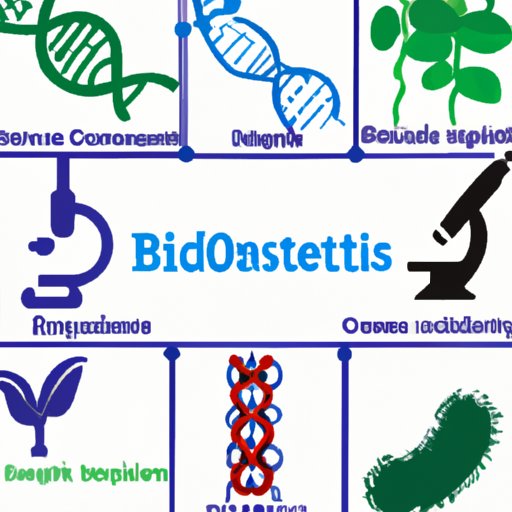
Biological sciences is a broad field that studies the structure, function, growth, origin, evolution, and distribution of living organisms. It encompasses a variety of disciplines, including genetics, microbiology, cell biology, ecology, evolutionary biology, anatomy, and physiology. Biological sciences seeks to understand the complexity of living systems, from the smallest bacteria to the largest mammals.

Exploring the Basics of Biological Sciences
What is biological sciences? Biological sciences is an interdisciplinary study of life forms and their interactions with each other and their environment. It covers a range of topics, including how organisms interact with their environment, how they evolve over time, and how they are structured and function. Biological sciences also includes research into the genetic basis of life, as well as the effects of environmental factors on living organisms.
Different areas of biological sciences include genetics, microbiology, cell biology, ecology, evolutionary biology, anatomy, and physiology. Genetics deals with the study of heredity, or the transmission of traits from generation to generation. Microbiology focuses on the study of microorganisms, such as bacteria, viruses, and fungi. Cell biology is concerned with studying the structure and function of cells. Ecology examines the relationships between living organisms and their environment. Evolutionary biology is the study of the changes in species over time, while anatomy and physiology focus on the structure and functioning of living organisms.
A Guide to Understanding the Field of Biological Sciences
The history and development of biological sciences can be traced back to the ancient Greeks. Aristotle (384-322 BC) was one of the first to make significant contributions to the field. He studied the anatomy of animals and classified them based on shared characteristics. In the 17th and 18th centuries, scientists such as Robert Hooke and Anton van Leeuwenhoek made important discoveries about the structure of cells. Later, Charles Darwin’s theory of evolution provided a framework for understanding the development and diversity of life on Earth.
Today, there are many different branches of biological sciences, each focusing on a specific aspect of life. These include microbiology, genetics, cell biology, ecology, evolutionary biology, anatomy, and physiology. Each branch has its own set of tools and techniques used to study living organisms. For example, microbiologists use microscopes to study microorganisms, while geneticists use DNA sequencing to study the genetic makeup of organisms.
Investigating the Different Areas of Biological Sciences
Microbiology is the study of microorganisms, such as bacteria, viruses, and fungi. It covers topics such as the structure and function of these organisms, their metabolism, and their role in disease. Microbiologists often use microscopes to observe microorganisms and study the effects of antibiotics on them.
Genetics is the study of heredity, or the transmission of traits from generation to generation. It involves the study of genes and how they are passed down from parents to offspring. Geneticists use a variety of methods, such as DNA sequencing, to study the genetic makeup of organisms.
Cell biology is the study of cells and their components. It covers topics such as the structure and function of cells, the processes by which cells reproduce, and the ways in which cells communicate with each other. Cell biologists use microscopes and other tools to observe and study cells.
Ecology is the study of the relationships between living organisms and their environment. It covers topics such as the impacts of climate change on ecosystems, the effects of human activities on the environment, and the balance between species in an ecosystem. Ecologists use a variety of methods, such as field observations and laboratory experiments, to study these relationships.
Evolutionary biology is the study of the changes in species over time. It covers topics such as the mechanisms of evolution, the origins of species, and the process of natural selection. Evolutionary biologists use a variety of methods, such as fossil records and DNA analysis, to study these changes.
Anatomy and physiology are two related fields that study the structure and functioning of living organisms. Anatomy deals with the physical structure of organisms, while physiology focuses on how their organs and systems work together. Anatomists and physiologists use a variety of tools, such as microscopes and X-rays, to study the structure and functioning of organisms.

Examining the History and Development of Biological Sciences
The history and development of biological sciences can be traced back to the ancient Greeks. Aristotle (384-322 BC) was one of the first to make significant contributions to the field. He studied the anatomy of animals and classified them based on shared characteristics. In the 17th and 18th centuries, scientists such as Robert Hooke and Anton van Leeuwenhoek made important discoveries about the structure of cells. Later, Charles Darwin’s theory of evolution provided a framework for understanding the development and diversity of life on Earth.
In the 19th and 20th centuries, advances in technology allowed scientists to explore biological processes at a deeper level. This led to the development of new branches of biological sciences, such as genetics and cell biology. In the 21st century, advances in biotechnology have enabled scientists to manipulate DNA and create new organisms, revolutionizing the field of biological sciences.
Describing the Different Branches of Biological Sciences
Microbiology is the study of microorganisms, such as bacteria, viruses, and fungi. It covers topics such as the structure and function of these organisms, their metabolism, and their role in disease. Microbiologists often use microscopes to observe microorganisms and study the effects of antibiotics on them.
Genetics is the study of heredity, or the transmission of traits from generation to generation. It involves the study of genes and how they are passed down from parents to offspring. Geneticists use a variety of methods, such as DNA sequencing, to study the genetic makeup of organisms.
Cell biology is the study of cells and their components. It covers topics such as the structure and function of cells, the processes by which cells reproduce, and the ways in which cells communicate with each other. Cell biologists use microscopes and other tools to observe and study cells.
Ecology is the study of the relationships between living organisms and their environment. It covers topics such as the impacts of climate change on ecosystems, the effects of human activities on the environment, and the balance between species in an ecosystem. Ecologists use a variety of methods, such as field observations and laboratory experiments, to study these relationships.
Evolutionary biology is the study of the changes in species over time. It covers topics such as the mechanisms of evolution, the origins of species, and the process of natural selection. Evolutionary biologists use a variety of methods, such as fossil records and DNA analysis, to study these changes.
Anatomy and physiology are two related fields that study the structure and functioning of living organisms. Anatomy deals with the physical structure of organisms, while physiology focuses on how their organs and systems work together. Anatomists and physiologists use a variety of tools, such as microscopes and X-rays, to study the structure and functioning of organisms.

Analyzing the Impact of Biological Sciences on Society
Biological sciences has had a profound impact on society. Medical applications of the field have led to the development of treatments for diseases, such as cancer and HIV/AIDS. Environmental benefits of biological sciences include improved understanding of climate change and its effects on ecosystems. Furthermore, knowledge of biological sciences has been used to improve food production, leading to increased yields and reduced costs.
Conclusion
Biological sciences is a broad field that studies the structure, function, growth, origin, evolution, and distribution of living organisms. It encompasses a variety of disciplines, including genetics, microbiology, cell biology, ecology, evolutionary biology, anatomy, and physiology. The field has had a profound impact on society, leading to medical advances, environmental benefits, and improvements in food production. Studying biological sciences offers students the opportunity to gain a deep understanding of the complexities of life.
(Note: Is this article not meeting your expectations? Do you have knowledge or insights to share? Unlock new opportunities and expand your reach by joining our authors team. Click Registration to join us and share your expertise with our readers.)