
Introduction: What is Cashew Butter and Why Is It Healthy?
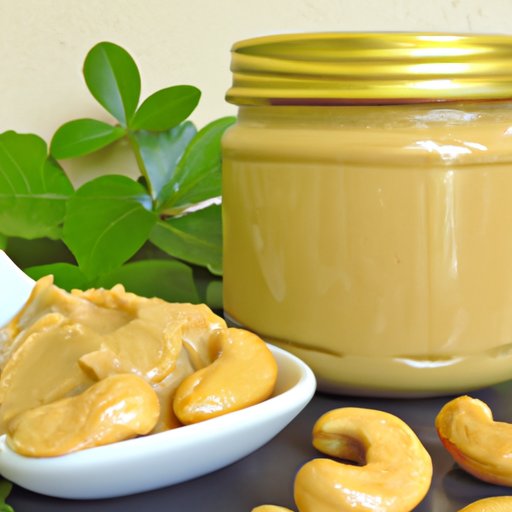
Cashew butter is a creamy spread made from ground cashews. It has become increasingly popular as an alternative to peanut butter and other nut butters, due to its high nutritional content and unique flavor. Cashew butter is rich in monounsaturated fats, minerals, and vitamins, making it a healthy choice for those looking to eat a balanced diet. In this article, we will explore the nutritional benefits of eating cashew butter and answer the question, is cashew butter healthy?
Benefits of Cashew Butter
Cashew butter is a great source of healthy fats, minerals, and vitamins. It is high in monounsaturated fats, which are known to reduce cholesterol levels and reduce the risk of heart disease. Cashew butter also contains minerals such as magnesium, zinc, and iron, which are essential for healthy bones, teeth, and muscles. Additionally, cashew butter is a good source of vitamin E, which helps protect cells from damage and may help reduce the risk of certain cancers.
Nutritional Profile of Cashew Butter
According to a study conducted by the USDA Food Composition Database, one tablespoon (14 grams) of cashew butter contains the following nutrients:
- Calories: 94
- Total fat: 8.3 grams
- Monounsaturated fats: 5.1 grams
- Polyunsaturated fats: 1.6 grams
- Saturated fats: 1 gram
- Magnesium: 11 milligrams
- Zinc: 0.5 milligrams
- Iron: 0.4 milligrams
- Vitamin E: 0.3 milligrams
Is Cashew Butter a Healthy Alternative to Peanut Butter?
Cashew butter is often considered a healthier alternative to peanut butter due to its higher monounsaturated fat content and lower saturated fat content. Studies have shown that consuming monounsaturated fats can reduce cholesterol levels and reduce the risk of heart disease. Additionally, cashew butter is higher in magnesium, zinc, and iron than peanut butter. However, cashew butter does contain more calories than peanut butter, so it is important to be mindful of portion sizes.
Comparison of Cashew Butter vs. Peanut Butter
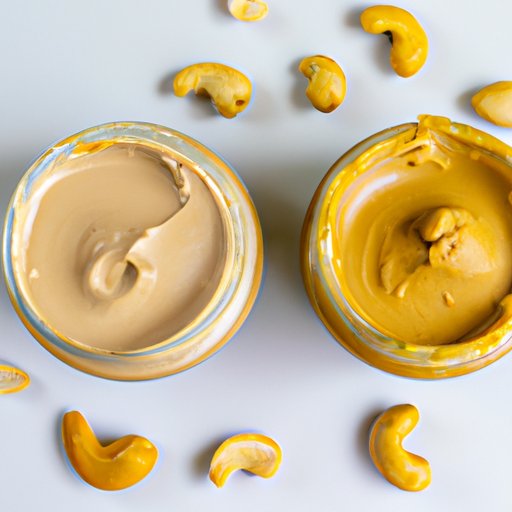
A comparison of the nutritional values of cashew butter and peanut butter reveals the following differences:
- Cashew butter contains more monounsaturated fats than peanut butter.
- Cashew butter contains less saturated fat than peanut butter.
- Cashew butter is higher in magnesium, zinc, and iron than peanut butter.
- Cashew butter contains more calories than peanut butter.
Pros and Cons of Eating Cashew Butter
When deciding whether or not to include cashew butter in your diet, it is important to consider both the pros and cons of eating it. Some of the pros of eating cashew butter include:
- It is a good source of healthy fats.
- It is high in minerals and vitamins.
- It has a unique flavor that many people enjoy.
Some of the cons of eating cashew butter include:
- It is high in calories.
- It may be more expensive than other nut butters.
- It may contain traces of tree nuts, which could cause allergic reactions in some people.
How to Choose a Healthy Cashew Butter
When shopping for cashew butter, it is important to read the ingredients list and make sure there are no added sugars or oils. Additionally, look for cashew butter that is organic and non-GMO certified. Finally, avoid cashew butters that contain hydrogenated oils, as these can increase your risk of heart disease.
Ingredients to Look For
When selecting a healthy cashew butter, look for products that contain only one ingredient: cashews. Avoid any product that contains added sugar, salt, oil, or preservatives. Additionally, it is best to buy organic, non-GMO certified cashew butter.
Different Types of Cashew Butter
There are several different types of cashew butter on the market. You can buy plain cashew butter, which is just ground cashews, or flavored cashew butter, which typically contains added sugar and oils. Additionally, you can buy raw cashew butter, which is made from unroasted cashews. Raw cashew butter is considered to be the healthiest option, as it retains more of the natural nutrients found in cashews.
What Are the Health Benefits of Eating Cashew Butter?
Eating cashew butter can provide several health benefits. As mentioned above, cashew butter is high in monounsaturated fats, which can help reduce cholesterol levels and reduce the risk of heart disease. Additionally, cashew butter is a good source of minerals and vitamins, including magnesium, zinc, iron, and vitamin E, which can help maintain healthy bones, teeth, and muscles.
Conclusion: Answering the Question, Is Cashew Butter Healthy?
In conclusion, cashew butter is a healthy alternative to peanut butter and other nut butters. It is a good source of monounsaturated fats, minerals, and vitamins, making it a nutritious addition to any diet. When choosing a cashew butter, it is important to look for products that contain only one ingredient: cashews. Avoid any product that contains added sugar, salt, oil, or preservatives.
(Note: Is this article not meeting your expectations? Do you have knowledge or insights to share? Unlock new opportunities and expand your reach by joining our authors team. Click Registration to join us and share your expertise with our readers.)