
Introduction
Sore muscles from working out is a common issue for many people who exercise regularly. This type of muscle soreness, also known as delayed-onset muscle soreness (DOMS), typically occurs 12 to 24 hours after exercise and can last up to 72 hours. In this article, we will explore what helps to relieve sore muscles from working out, including massage therapy, ice and heat therapy, stretching exercises, Epsom salt baths, proper nutrition and hydration, and quality sleep and rest.
Massage Therapy
Massage therapy is an effective way to help reduce muscle soreness and tension. It works by increasing circulation, which helps reduce inflammation and flush out toxins that can cause pain. Massage therapists can also use specific techniques to target areas that are particularly tight or sore.
Studies have shown that massage therapy can be beneficial for reducing DOMS. A 2009 study published in the International Journal of Sports Physical Therapy found that massage therapy was more effective than no treatment for reducing DOMS. Another study published in the Journal of Strength and Conditioning Research in 2012 found that massage therapy was effective for reducing DOMS and improving range of motion.
When looking for a massage therapist, it’s important to find someone who is experienced and reputable. Ask friends and family for recommendations, or look for reviews online. Make sure to ask the therapist questions about their experience and qualifications before scheduling an appointment.
Ice and Heat Therapy
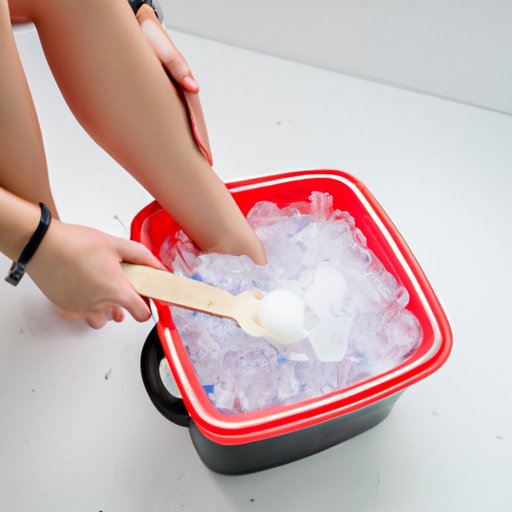
Using either ice or heat therapy can be an effective way to reduce muscle soreness. Cold therapy can help reduce inflammation and numb the area, while heat therapy can help relax the muscles and increase blood flow. Both types of therapy can be done at home, but it’s important to use them safely.
A 2011 study published in the Journal of Athletic Training found that cold therapy was more effective than heat therapy for reducing DOMS. The study found that cold therapy was more effective immediately after exercise, while heat therapy was more effective 24 and 48 hours after exercise.
When using ice or heat therapy, it’s important to follow safety guidelines. Ice should never be applied directly to the skin, and heat should not be used if there is swelling or inflammation. It’s also important to limit the amount of time that either is used, as too much can cause further damage.
Stretching Exercises
Stretching is an important part of any workout routine, and it can help reduce muscle soreness after exercise. Stretching helps to increase flexibility, improve range of motion, and reduce tension in the muscles. It can also help to prevent future injuries.
A 2006 study published in the journal Medicine & Science in Sports & Exercise found that stretching could reduce DOMS. The study found that stretching before and after exercise was effective for reducing muscle soreness and improving range of motion.
When doing stretching exercises, it’s important to focus on slow, controlled movements. Don’t bounce or force the stretch, as this can lead to injury. Hold each stretch for at least 30 seconds, and repeat each stretch three to four times.
Epsom Salt Baths
Taking an Epsom salt bath can be an effective way to reduce muscle soreness. Epsom salt is made up of magnesium sulfate, which has been shown to reduce inflammation and promote relaxation. Soaking in an Epsom salt bath can help to reduce muscle tension and soothe sore muscles.
A 2010 study published in the journal Evidence-Based Complementary and Alternative Medicine found that Epsom salt baths were effective for reducing DOMS. The study found that taking an Epsom salt bath three times a week for two weeks was effective for reducing muscle soreness, improving range of motion, and increasing strength.
When taking an Epsom salt bath, it’s important to follow safety guidelines. Do not take an Epsom salt bath if you have any cuts or open wounds, as the salt can irritate them. Also, make sure to drink plenty of water afterwards to replace any fluids lost during the bath.
Nutrition and Hydration
Proper nutrition and hydration are essential for helping to reduce muscle soreness. Eating a balanced diet that includes plenty of fruits, vegetables, and lean proteins can help provide the nutrients needed to build and repair muscles. It’s also important to stay hydrated by drinking plenty of water throughout the day.
A 2013 study published in the journal Nutrients found that consuming certain foods could help reduce DOMS. The study found that consuming omega-3 fatty acids, antioxidants, and branched chain amino acids before and after exercise could help reduce muscle soreness.
When it comes to nutrition and hydration, it’s important to pay attention to your body’s needs. Make sure to eat a balanced diet, and drink plenty of water throughout the day. If you’re engaging in strenuous physical activity, consider supplementing with electrolytes to replace lost minerals.
Sleep and Rest
Getting enough sleep and rest is essential for helping to reduce muscle soreness. Sleep helps the body to repair itself, and getting enough rest between workouts can help to give the muscles time to recover. Aim for seven to nine hours of sleep per night, and avoid overtraining.
A 2015 study published in the journal Sleep Medicine Reviews found that getting enough sleep could help reduce DOMS. The study found that people who got more sleep had less muscle soreness after exercise than those who got less sleep.
When it comes to sleep and rest, it’s important to make sure you’re getting enough. Avoid overexertion, and give yourself time to rest and recover after strenuous physical activity. Make sure to get seven to nine hours of sleep per night, and practice good sleep hygiene such as avoiding screens before bedtime.
Conclusion
Sore muscles from working out can be painful and uncomfortable, but there are several ways to help reduce the pain. Massage therapy, ice and heat therapy, stretching exercises, Epsom salt baths, proper nutrition and hydration, and quality sleep and rest can all help to reduce muscle soreness and tension. By following these tips, you can help to keep your muscles healthy and pain-free.
(Note: Is this article not meeting your expectations? Do you have knowledge or insights to share? Unlock new opportunities and expand your reach by joining our authors team. Click Registration to join us and share your expertise with our readers.)