
Introduction
Starting a podcast can be an exciting way to share your passion with the world. Whether you’re a musician, artist, or entrepreneur, podcasting is a great way to reach a wider audience and grow your brand. But if you’re just getting started, you might be wondering how to start a podcast for free.
In this article, we will explore how to get started in podcasting without breaking the bank. We’ll cover the necessary equipment, discuss how to pick a topic and create an outline, provide tips for recording and editing, and explain where to host your podcast. By the end of this article, you’ll know exactly how to start a podcast for free.
Research and Understand the Necessary Equipment
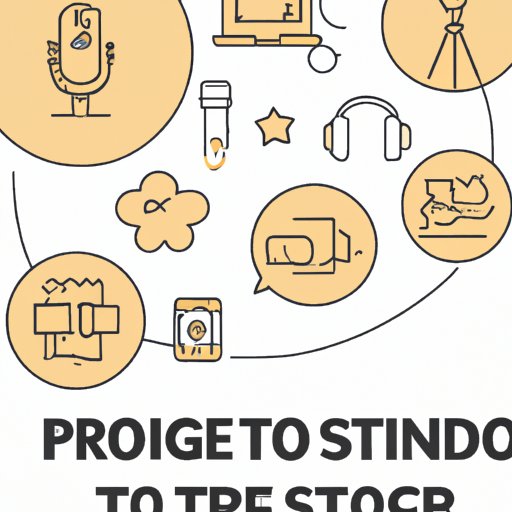
Before you can start podcasting, you need to make sure you have the right equipment. While there are many tools and gadgets available, there are three essential items you need to get started: a microphone, a hosting platform, and editing software.
Microphone
The most important piece of equipment you need is a good microphone. The quality of your audio is key, so it’s important to invest in a good microphone. According to podcaster Pat Flynn, “If you don’t have a good microphone, it’s like having bad breath when you’re talking to someone.”
You don’t need to spend a fortune on a professional-grade microphone, but you should make sure you’re investing in one that will produce high-quality sound. Look for a microphone that has a USB connection and adjustable gain control.
Hosting Platform
The next item you need is a hosting platform. This is where your podcast files will be stored, so people can access them. There are several free hosting platforms available, including SoundCloud and Podbean.
When choosing a hosting platform, make sure it has all the features you need, such as analytics and an easy-to-use interface. You should also make sure the platform you choose allows you to embed your podcast on other websites. That way, people can easily listen to your podcast from anywhere.
Editing Software
The last piece of equipment you need is editing software. This is what you’ll use to cut out any mistakes, add music, and do any other post-production work. There are several free options available, such as Audacity and GarageBand.
You don’t need to be an expert editor to get started. Just make sure you’re familiar with the basics, such as trimming, adding effects, and mixing. With a little practice, you’ll be able to edit your podcast like a pro.
Pick a Topic and Name Your Podcast
Once you have the right equipment, it’s time to pick a topic and come up with a name for your podcast. This is an important step, because it will help you attract listeners and set the tone for your show.
Brainstorm Ideas
Take some time to brainstorm ideas for your podcast. Think about topics that you’re passionate about and that could potentially interest your target audience. If you’re struggling to come up with ideas, try talking to friends and family or doing some research online.
Choose a Name
Once you have a few ideas, it’s time to choose a name for your podcast. This should be something that reflects your topic and resonates with your target audience. Try to keep it short and catchy, so it’s easy to remember.
It’s also important to make sure the name isn’t already taken. Do a quick search online to make sure the name is available. You don’t want to invest time and energy into a podcast only to find out that the name is already being used.
Create an Outline for Your Podcast
Now that you have a topic and a name, it’s time to create an outline for your podcast. This will help you keep track of your ideas and ensure that each episode flows smoothly and logically.
Identify a Target Audience
Before you start creating your outline, take some time to identify your target audience. Who do you want to listen to your podcast? What age group are they? What interests do they have? Answering these questions will help you create content that resonates with your listeners.
Decide on a Format
Next, decide on a format for your podcast. For example, will it be an interview show? A narrative podcast? A roundtable discussion? Knowing the format will help you create content that is engaging and consistent.
Set Episode Length
Finally, decide on a length for each episode. Most podcasts range from 15 minutes to an hour, but there’s no hard and fast rule. Decide what works best for you and stick to it.
Record and Edit Your Episodes
Now that you have an outline for your podcast, it’s time to start recording and editing your episodes. This part can seem intimidating, but with a little practice, you’ll be able to create high-quality content.
Recording Tips
When recording your podcast, make sure you have a quiet space that is free from distractions. It’s also important to speak clearly and enunciate your words. If possible, record a few takes of each episode so you have options when it comes time to edit.
Editing Tips
Editing is where you can really polish your podcast and make it shine. Focus on cutting out any mistakes or dead air and adding music or sound effects. You don’t have to be a professional editor to make your podcast sound great. With practice, you can learn the basics and create a high-quality podcast.
Find a Hosting Platform to Publish Your Podcast
Once you’ve recorded and edited your podcast, it’s time to find a hosting platform to publish it. This is where your podcast will live and where people will be able to access it.
Popular Hosting Platforms
There are several popular hosting platforms available, such as Buzzsprout, Spreaker, and Libsyn. Each platform has its own features and pricing plans, so make sure you do your research and choose the one that best suits your needs.
Choosing a Platform
When choosing a hosting platform, look for one that offers analytics, so you can track the performance of your podcast. You should also make sure the platform allows you to embed your podcast on other websites. That way, people can easily listen to your podcast from anywhere.
Conclusion
Starting a podcast doesn’t have to be expensive. By following these steps, you can start your own podcast for free. Make sure you have the right equipment, pick a topic and name for your podcast, create an outline, record and edit your episodes, and find a hosting platform to publish your podcast.
Podcasting can be a great way to share your passion with the world. With a little practice and dedication, you can create a high-quality podcast that your listeners will love.
(Note: Is this article not meeting your expectations? Do you have knowledge or insights to share? Unlock new opportunities and expand your reach by joining our authors team. Click Registration to join us and share your expertise with our readers.)