
Introduction
When it comes to weight loss, dieting plays an important role. By definition, dieting is “the practice of eating food in a regulated and supervised fashion to decrease, maintain, or increase body weight” (National Institute of Diabetes and Digestive and Kidney Diseases). Eating healthy foods can help you to achieve your weight loss goals, as well as improve your overall health.
In this article, we will explore what food is good for dieting and how to create a healthy eating plan for optimal health and weight loss. We will look at the importance of a balanced diet, examples of healthy diet foods, building a meal plan, making smart food choices based on calories, and understanding the role of nutrition in dieting.
A Guide to Eating for a Balanced Diet
Eating a balanced diet is essential for good health, weight management, and disease prevention. According to the Centers for Disease Control and Prevention (CDC), a balanced diet should include a variety of fruits, vegetables, whole grains, low-fat dairy products, lean proteins, and healthy fats. Additionally, they recommend limiting sugar, salt, and saturated fats.
Creating a balanced diet can be challenging, but there are some tips that can help. First, focus on adding more fruits and vegetables to your meals. Aim for five servings of fruits and vegetables each day. Additionally, try to include whole grains such as brown rice, oats, quinoa, and barley in your meals. Finally, choose lean proteins such as fish, chicken, beans, and tofu. All these foods are packed with essential vitamins, minerals, and fiber, which are important for weight loss and overall health.

The Best Diet Foods for Optimal Health
When it comes to choosing the best foods for optimal health, there are some key foods to consider. Fruits and vegetables are packed with vitamins, minerals, and fiber. They provide energy and help keep you full. Additionally, they are low in calories, fat, and sugar. Some of the best fruits and vegetables for dieting include apples, oranges, broccoli, spinach, kale, and sweet potatoes.
Whole grains are another great option for dieting. They are high in fiber, which helps keep you full and can aid in weight loss. Whole grains also contain important vitamins and minerals. Examples of healthy whole grains include oats, quinoa, brown rice, and barley.
Finally, lean proteins are essential for a healthy diet. Lean proteins are low in fat and calories, but high in protein, which helps build muscle and burn fat. Good sources of lean protein include chicken, fish, beans, lentils, and tofu.
To make sure you are getting the most out of your diet, it is important to incorporate these healthy foods into your meals. Try to include at least one serving of fruits or vegetables, one serving of whole grains, and one serving of lean protein in each meal.
Building a Meal Plan for Healthy Eating
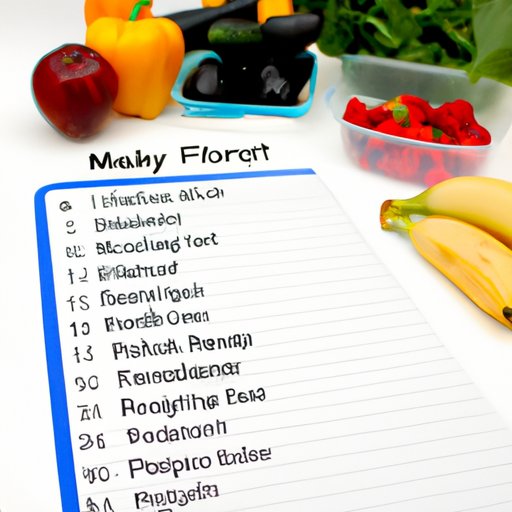
Meal planning is an important part of healthy eating. It can help you stay organized and on track with your diet. Meal planning also allows you to control portion sizes, save time and money, and ensure you are eating a balanced diet.
Creating a meal plan starts with deciding which days and times you want to eat. Then, decide which meals you want to prepare. For example, breakfast, lunch, dinner, and snacks. From there, you can start to plan out your meals. Make sure to include a variety of healthy foods in your meals, such as fruits, vegetables, whole grains, lean proteins, and healthy fats.
When selecting foods for your meal plan, focus on nutrient-dense foods. These are foods that are high in nutrients and low in calories. Examples of nutrient-dense foods include fruits and vegetables, whole grains, lean proteins, nuts, and seeds.
How to Make Smart Food Choices for Weight Loss
When trying to lose weight, it is important to understand the calorie content of foods. Calories are the amount of energy that food provides. Eating too many calories can lead to weight gain, while eating fewer calories can help you to lose weight.
Making smart food choices based on calories can help you to achieve your weight loss goals. Choose foods that are lower in calories and higher in nutrients. For example, instead of having a doughnut for breakfast, opt for oatmeal with fruit and nuts. Or, instead of eating a hamburger for lunch, choose a salad with grilled chicken. Making small changes like these can have a big impact on your weight loss.
Understanding the Role of Nutrition in Dieting
Nutrition plays an important role in dieting. Understanding nutrition is key to making healthy food choices and achieving your weight loss goals. When selecting foods, focus on nutrient-rich options that are high in vitamins, minerals, and fiber. Additionally, read food labels to get an idea of the calorie content and ingredients in the food.
The Dietary Guidelines for Americans provide guidelines for healthy eating. They recommend eating a variety of fruits and vegetables, whole grains, lean proteins, and healthy fats. Additionally, they suggest limiting added sugars, sodium, and saturated fats.
Conclusion
In conclusion, eating healthy foods is essential for dieting and achieving weight loss goals. Eating a balanced diet that includes a variety of fruits and vegetables, whole grains, lean proteins, and healthy fats is key to good health and weight management. Additionally, understanding the calorie content of foods and making smart food choices based on calories can help you to reach your weight loss goals. Finally, understanding nutrition is important for making healthy food choices and achieving your dieting goals.
Now that you know the basics of healthy dieting, it’s time to get started! With a little planning and preparation, you can be well on your way to reaching your weight loss goals.
(Note: Is this article not meeting your expectations? Do you have knowledge or insights to share? Unlock new opportunities and expand your reach by joining our authors team. Click Registration to join us and share your expertise with our readers.)