
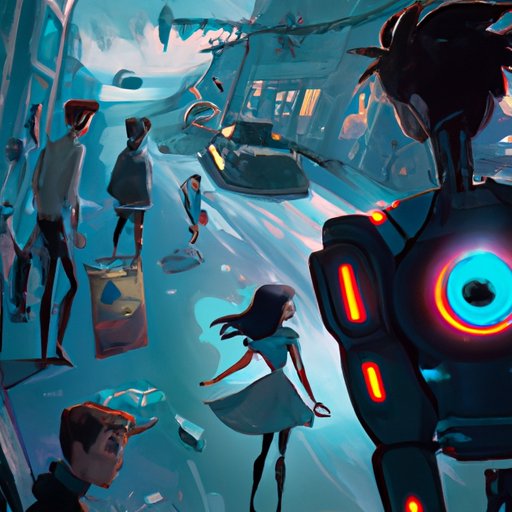
Introduction
Love, Death & Robots is a critically acclaimed animated anthology series created by Tim Miller and David Fincher. Released in 2019, it consists of 18 short stories that explore different genres such as science fiction, fantasy, horror and comedy, all presented through the medium of animation. Since its release, the series has received widespread acclaim for its unique visuals, complex storylines, and compelling characters. This article will explore the various themes, animation style, cultural impact and characters of Love, Death & Robots, providing an in-depth look at the series.
A Deep Dive into the Themes of Love, Death & Robots
The anthology series explores a wide range of themes such as love, death, technology, morality, identity and freedom. Each story presents its own unique take on these themes, with some exploring the darker side of human nature while others focus on the lighter aspects of life. The show also delves into deeper existential questions, such as what it means to be human or the consequences of unchecked technological advancement. As Tim Miller said in an interview with IndieWire, “We wanted to make sure we were telling stories about things that mattered and had a point of view — something that was thought-provoking and entertaining.”
The themes explored in Love, Death & Robots are universal, allowing viewers from all walks of life to relate to the stories. From the fear of mortality to the joys of friendship, the show captures the full spectrum of human emotion. It also raises important issues such as the dangers of artificial intelligence and the power of technology to shape our lives. As reviewer Emily Longeretta wrote in her review for Hollywood Reporter, “Each episode offers up a new thought-provoking idea or concept, making sure that even if one episode isn’t your cup of tea, the next might be.”
Unpacking the Animation Style and Techniques of Love, Death & Robots
Love, Death & Robots stands out from other animated shows due to its distinct animation style and techniques. The series employs a mix of CGI and traditional 2D animation, with each story having its own unique visual style. From the vibrant colors of “Ice Age” to the gritty realism of “Good Hunting,” the show’s visuals are stunning and captivating. The use of music and sound effects also adds to the atmosphere of each story, creating an immersive experience for viewers.
The show also makes use of innovative camera techniques and editing, often using non-linear storytelling to enhance the viewing experience. For example, in the episode “Good Hunting,” the narrative jumps back and forth between past and present, adding a sense of tension and suspense to the story. Overall, the animation style and techniques used in Love, Death & Robots help bring the stories to life, immersing viewers in the world of the show.
Examining the Cultural Impact of Love, Death & Robots
Since its release, Love, Death & Robots has had a major influence on popular culture. The show has been praised for its bold approach to storytelling, pushing the boundaries of animation and introducing viewers to new ideas and concepts. As writer and critic Dan Auty wrote in his review for Polygon, “Love, Death & Robots is a show that isn’t afraid to take risks, to challenge its audience, and to find ways to tell stories that don’t fit within the confines of traditional television.”
The show has also had an impact on other media, inspiring filmmakers and animators to create their own unique works. For example, the film “Spider-Man: Into the Spider-Verse” was heavily influenced by Love, Death & Robots, with its unique visuals and creative storytelling. Similarly, the show has inspired many independent animators to create their own projects, expanding the possibilities of animation and pushing the medium forward.
Analyzing the Characters and Narratives of Love, Death & Robots
Love, Death & Robots features a variety of characters, each with their own unique personalities and motivations. From the heroic Space Marines of “Sonnie’s Edge” to the villainous robots of “When the Yogurt Took Over,” the show presents a diverse cast of characters that viewers can root for or against. The stories also feature complex plots and storylines, often featuring unexpected twists and turns that keep viewers on the edge of their seat.
The show also takes a unique approach to character development, often focusing more on the journey than the destination. For example, in the episode “Beyond the Aquila Rift,” the protagonist’s transformation is explored through his interactions with the alien creatures he encounters. By taking this approach, Love, Death & Robots creates characters that viewers can connect with and follow on their own personal journeys.
Review of Love, Death & Robots
Overall, Love, Death & Robots is an engaging and thought-provoking series that pushes the boundaries of animation. Its distinctive visuals, complex characters and storylines, and exploration of universal themes make it a must-watch for any fan of animation. The show also has a lasting cultural impact, inspiring filmmakers and animators to create their own unique works.
That being said, there are some issues with the series. The episodes can be hit-or-miss, with some stories feeling rushed or lacking in depth. Also, the show can be quite violent and graphic at times, which may turn off some viewers. However, these flaws are minor compared to the overall quality of the show.
Conclusion
Love, Death & Robots is an ambitious and ground-breaking animated anthology series that is sure to entertain and engage viewers. Its exploration of universal themes, innovative animation style and techniques, and memorable characters make it a must-watch for anyone looking for an exciting and thought-provoking show. Despite some minor flaws, Love, Death & Robots is an impressive achievement in animation and an essential viewing experience.
(Note: Is this article not meeting your expectations? Do you have knowledge or insights to share? Unlock new opportunities and expand your reach by joining our authors team. Click Registration to join us and share your expertise with our readers.)