
Introduction
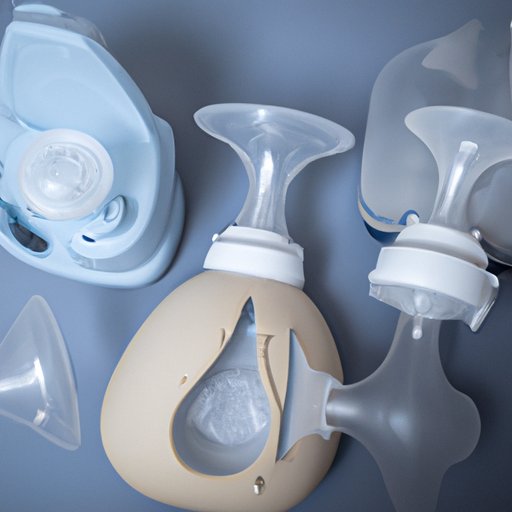
Breast pumps are mechanical devices used to extract milk from the breasts of lactating mothers. They are designed to mimic the natural suckling action of an infant, allowing mothers to express their breast milk without the need for an actual baby. Breast pumps have become increasingly popular among parents who want to provide their babies with the best nutrition possible while still making life easier for themselves.
History of Breast Pumps: When were they Invented?
The history of breast pumps dates back to the 19th century when the first hand squeezing devices were developed. These primitive devices were not very efficient or comfortable, but they were the only option available at the time. It wasn’t until the 20th century that the first electric breast pumps were invented, revolutionizing the way mothers could feed their babies.
A Timeline of the Invention of Breast Pumps
19th Century – Hand Squeezing: The earliest breast pumps were simple hand squeezing devices that were designed to imitate the suckling action of an infant. These primitive devices were made of metal and rubber and were not very efficient or comfortable. Despite this, these devices were the only option available at the time and allowed mothers to express their breast milk without the need for an actual baby.
20th Century – Electric Breast Pumps: The invention of the electric breast pump changed the game completely. These pumps were much more efficient and comfortable than their predecessors, allowing mothers to express their breast milk with ease. Electric breast pumps also allowed mothers to express their milk more quickly and with less effort, making them a popular choice among busy parents.

Exploring the Development of Breast Pumps Through the Ages
Since the invention of the electric breast pump, there have been many improvements in efficiency and comfort. Modern breast pumps are quieter and more efficient than ever before, making it easier for parents to express their breast milk. Additionally, these pumps are now available in a variety of sizes, styles, and designs, allowing parents to find the perfect pump for their needs.
The increased usage of breast pumps has also had a positive effect on breastfeeding rates. According to a study published in the journal Pediatrics, “the use of breast pumps has been associated with increased duration of exclusive breastfeeding, increased duration of any breastfeeding, and decreased risk of early weaning.” This is due to the convenience of expressing milk with a breast pump, which allows mothers to continue breastfeeding even when separated from their babies.

How the Invention of the Breast Pump Changed Parenting
The invention of the breast pump has had a huge impact on parenting. The benefits of breastfeeding are well known, with studies showing that breastfed babies are healthier and have higher IQs than formula-fed babies. Breastfeeding also helps to strengthen the bond between mother and child, as well as providing a nutritious meal for the baby.
The convenience of breast pumps has further helped to encourage mothers to breastfeed. With a breast pump, mothers can express their milk and store it for later use, allowing them to feed their babies even when they are away from home. This has allowed mothers to continue breastfeeding even when they return to work or other commitments, helping to make parenting a bit easier.
Pioneers in Breast Pump Technology: A Look at the Early Inventors
The invention of the breast pump was the result of the hard work of two pioneering women: Lizzie J. Mitchel and Margaret Hayden Rector. Mitchel was the inventor of the first hand-squeezing device, while Rector was the inventor of the first electric breast pump. Both women were ahead of their time and their contributions to the field of breastfeeding have had a lasting impact on parenting today.

From Hand Squeezing to Electric: The Evolution of Breast Pumps
Early Mechanical Designs: The earliest breast pumps were simple hand squeezing devices made of metal and rubber. These primitive devices were not very efficient or comfortable but were the only option available at the time. Despite this, they allowed mothers to express their breast milk without the need for an actual baby.
Modern Electric Breast Pumps: The invention of the electric breast pump revolutionized the way mothers could feed their babies. Electric breast pumps are much more efficient and comfortable than their predecessors, allowing mothers to express their breast milk with ease. They are also much quieter, making them ideal for use in public settings. Additionally, these pumps are now available in a variety of sizes, styles, and designs, allowing parents to find the perfect pump for their needs.
Conclusion
Breast pumps have come a long way since the 19th century hand squeezing devices. Today, electric breast pumps are much more efficient and comfortable, making it easier for parents to express their breast milk. The increased usage of breast pumps has also had a positive effect on breastfeeding rates, allowing mothers to continue breastfeeding even when separated from their babies. Pioneers like Lizzie J. Mitchel and Margaret Hayden Rector paved the way for modern breast pump technology, and their contributions to the field of breastfeeding have had a lasting impact on parenting today.
(Note: Is this article not meeting your expectations? Do you have knowledge or insights to share? Unlock new opportunities and expand your reach by joining our authors team. Click Registration to join us and share your expertise with our readers.)