
Introduction
A co-sleeper is a type of bed designed to allow a parent and baby to sleep close together while maintaining separate sleeping areas. Co-sleepers are becoming increasingly popular among parents who want to have their baby close by at night but don’t want to share a bed. The benefits of using a co-sleeper include increased closeness and bonding with the baby, improved sleep quality for both parents and baby, easier breastfeeding for mothers, and convenience.
How to Choose the Right Co-Sleeper for Your Baby
When choosing a co-sleeper for your baby, there are a few things to consider. First, you need to think about size. You want a co-sleeper that will fit in the space you have available and be comfortable for your baby. Second, you need to consider height. A co-sleeper should be tall enough so that you can easily reach your baby without having to get out of bed. Third, you need to consider material. Co-sleepers come in a variety of materials, such as wood, metal, and plastic, and you should choose a material that is safe and comfortable for your baby. Finally, you need to think about style. There are many different styles of co-sleepers available, from traditional bassinets to modern bedside cribs, so you should consider which style is best for your home.
Understanding the Benefits of a Co-Sleeper
The benefits of using a co-sleeper are numerous. One of the main benefits is increased closeness and bonding with your baby. When your baby is close to you, it can help build a strong bond between the two of you. Additionally, having your baby close by can make it easier to respond quickly to any needs or concerns they might have.
Another benefit of using a co-sleeper is improved sleep quality for both parents and baby. Research has shown that babies who sleep in the same room as their parents tend to sleep better than those who sleep in separate rooms. Additionally, having your baby close by can make it easier for you to respond quickly to any nighttime needs they may have, allowing everyone to get a better night’s sleep.
Easier breastfeeding is another benefit of using a co-sleeper. Having your baby close by makes it easier to feed them during the night, which can help improve milk supply and increase the amount of time spent breastfeeding. Lastly, co-sleepers provide comfort and convenience. They are small and lightweight, making them easy to move around the house.
The Pros and Cons of Using a Co-Sleeper
There are both pros and cons to using a co-sleeper. On the plus side, co-sleepers provide easy access to your baby, improved safety, and more space in the bed. They also make it easier to tend to your baby’s nighttime needs, such as feeding and comforting.
However, there are potential risks associated with using a co-sleeper. One of the biggest concerns is the potential for suffocation. This is especially true if you choose a co-sleeper that is too small or too soft. Additionally, there is a risk of your baby falling out of bed if the co-sleeper is not properly secured. Finally, some parents may be concerned about privacy issues when using a co-sleeper.
Safety Tips for Using a Co-Sleeper
If you decide to use a co-sleeper, there are several safety tips you should follow. First, always use the mattress provided with the co-sleeper. This helps ensure that your baby stays comfortable and secure. Second, never put soft items, such as pillows or blankets, in the co-sleeper. These items can pose a suffocation risk. Third, never allow pets or other children in the co-sleeper. This could lead to a dangerous situation. Finally, use the co-sleeper only for sleeping. Do not leave your baby unattended in the co-sleeper.
It is also important to remember that co-sleepers are meant to be used in conjunction with a safe sleeping environment. Always follow the American Academy of Pediatrics’ guidelines for safe sleep, which include placing your baby on their back to sleep and keeping the sleep area free of soft items and loose bedding.
An Overview of Different Types of Co-Sleepers
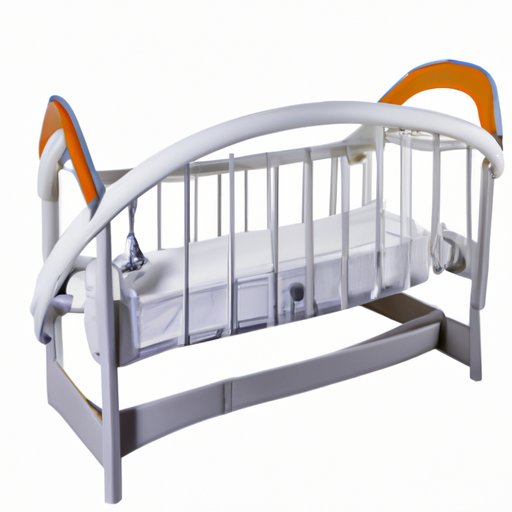
There are several different types of co-sleepers available. Bassinets are a traditional option that can be placed directly next to the bed. Bedside cribs are a modern option that attach to the side of the bed and can be adjusted to different heights. Hammocks are an interesting option that hang from the ceiling and provide a gentle rocking motion. Inclined sleepers are another option that provide an incline for babies who suffer from reflux or congestion.
Conclusion
In conclusion, co-sleepers are becoming increasingly popular among parents who want to keep their baby close at night but don’t want to share a bed. They offer numerous benefits, including increased closeness and bonding with the baby, improved sleep quality for both parents and baby, easier breastfeeding for mothers, and convenience. However, there are potential risks associated with using a co-sleeper, so it is important to follow safety guidelines and choose the right co-sleeper for your baby. There are several different types of co-sleepers available, so you should consider all of your options before making a decision.
(Note: Is this article not meeting your expectations? Do you have knowledge or insights to share? Unlock new opportunities and expand your reach by joining our authors team. Click Registration to join us and share your expertise with our readers.)