
Introduction
Pool shock is a chemical used to kill bacteria, algae, and other contaminants that can form in swimming pools over time. Shock treatments are an important part of pool maintenance and should be done regularly for optimal swimming safety. But how long after shocking pool can I swim?

How to Tell When Your Pool is Safe to Swim After Shocking
The amount of time it takes for a pool to be safe to swim after shocking depends on several factors, including the type of shock used, the size of the pool, and the amount of chemicals added. To ensure swimming safety, it’s important to test the chlorine levels and check for any unusual odors or discoloration in the water before entering a pool.
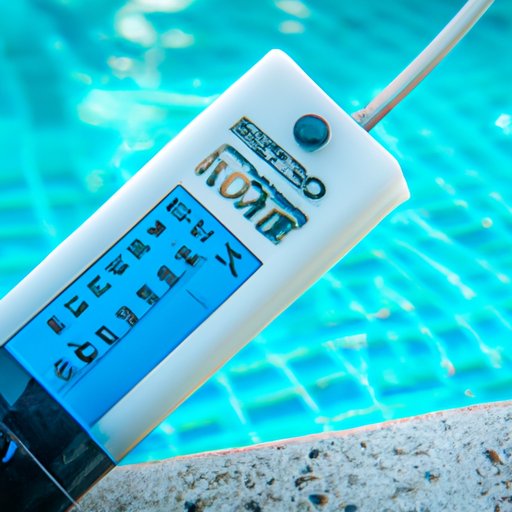
Chlorine levels should be tested with a pool test kit at least 24 hours after adding shock treatment. The ideal chlorine level for a swimming pool is between 1-3 ppm (parts per million). If the chlorine level is too low, more shock may need to be added. If the chlorine level is too high, the pool should be allowed to circulate for several hours before testing again.
After testing the chlorine levels, look for any unusual odors or discoloration in the water. The presence of these could indicate that more shock is needed. It’s also important to check for any debris, leaves, or other foreign objects in the pool before swimming.
Tips for Timing Your Pool Shock Treatment
When it comes to timing your pool shock treatment, it’s important to understand the effects of pool shock on swimming safety. Pool shock is highly effective at killing bacteria and other contaminants, but it can also be dangerous if not used properly. Improper use of pool shock can cause irritation to the skin and eyes, so it’s important to follow the manufacturer’s instructions carefully.
The ideal amount of time to wait after shocking the pool before swimming is at least 24 hours. This gives the chemicals enough time to do their job and ensures that the chlorine levels have returned to a safe range. It’s also important to wait until the chlorine odor has dissipated before entering the pool.

What You Need to Know About Swimming in a Shocked Pool
When swimming in a shocked pool, it’s important to ensure proper circulation of chemicals. This means running the filter system for at least 8 hours a day to ensure the shock is evenly distributed throughout the pool. It’s also important to wear protective gear such as goggles and a swim cap while swimming in a shocked pool.
It’s also important to avoid contact with the water immediately after shocking. Wait at least 24 hours before testing the pH level. The ideal pH level for a swimming pool is 7.2-7.8. If the pH level is too low, the pool may need to be re-shocked. If the pH level is too high, acid should be added to lower the pH level.
A Guide to Knowing When It’s Safe to Enter a Shocked Pool
To know when it’s safe to enter a shocked pool, it’s important to follow the manufacturer’s instructions for pool shock use. Test the chlorine levels and check for any unusual odors or discoloration in the water at least 24 hours after shocking. Wait until the chlorine odor has dissipated before entering the pool. Also, make sure to wear protective gear and avoid contact with the water immediately after shocking.
Conclusion
Pool shock is an important part of pool maintenance and swimming safety. To know when it’s safe to enter a shocked pool, it’s important to test the chlorine levels and check for any unusual odors or discoloration in the water at least 24 hours after shocking. Be sure to follow the manufacturer’s instructions for pool shock use and always wear protective gear when swimming in a shocked pool.
(Note: Is this article not meeting your expectations? Do you have knowledge or insights to share? Unlock new opportunities and expand your reach by joining our authors team. Click Registration to join us and share your expertise with our readers.)