

Introduction
Engineering and physical science are two distinct fields of study that have been gaining more attention in recent years. Both focus on understanding the natural world and developing new technologies to improve our lives. However, there is an important intersection between them, as both rely heavily on each other for success. In this article, we will explore the intersection between engineering and physical science, looking at their similarities, differences, and how they can work together.
Comparison of Engineering and Physical Science
The primary difference between engineering and physical science is that engineering focuses on application. Engineers develop solutions to real-world problems by applying scientific principles, while physical scientists focus on understanding the fundamental principles of nature. For example, engineers may design a bridge to span a river, while physical scientists may study the physics of water flow to understand how it affects the bridge’s design.
Despite the differences, there are some similarities between engineering and physical science. Both require strong problem-solving skills and an understanding of mathematics. Additionally, both disciplines rely heavily on experimentation and data analysis to draw conclusions. Finally, both engineering and physical science involve the development of innovative technologies to address global challenges.
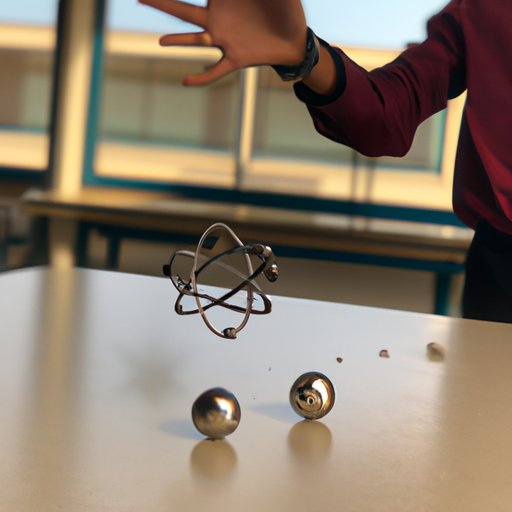
Exploring the Intersection between Engineering and Physical Science
The intersection between engineering and physical science has become increasingly important in recent years. As technology advances, so does our understanding of the natural world and our ability to apply it. This intersection has allowed us to develop new technologies that have had a profound impact on our lives.
Examining the Benefits of Understanding Both Engineering and Physical Science
One of the primary benefits of understanding both engineering and physical science is that it allows us to develop new technologies that can address global challenges. By combining their knowledge and expertise, engineers and physical scientists can create solutions that are both practical and effective. Additionally, understanding both disciplines can help students develop critical thinking skills and gain a better understanding of the world around them.
How Engineering and Physical Science Work Together
The intersection between engineering and physical science is evident in many modern technologies. For example, engineers may use the principles of physics to develop a new type of aircraft, while physical scientists may use the same principles to understand the behavior of its components. In addition, engineers often collaborate with physical scientists to develop new materials or to create more efficient processes.

The Role of Engineering in Modern Physical Science
As technology continues to advance, the role of engineering in physical science becomes even more important. Engineers are essential in the development of new technologies, such as medical devices and renewable energy sources. Additionally, engineers are able to use their expertise to improve existing technologies, making them more efficient and cost-effective. This is especially important in the field of medicine, where new technologies can save lives.
Examples of Engineering in Physical Science
There are numerous examples of engineering in physical science. One example is the development of renewable energy sources, such as solar and wind power. Engineers use their knowledge of physics and mathematics to design and build systems that generate clean energy. Similarly, engineers are responsible for designing medical devices and instruments, such as MRI machines, which use advanced physics to diagnose and treat diseases.
Impact of Engineering on Physical Science
The impact of engineering on physical science is significant. Engineers are able to use their knowledge of mathematics and physics to develop new technologies that can solve complex problems. This has led to advancements in many areas, from renewable energy to medical research. In addition, engineering has allowed us to develop better models for predicting natural phenomena, such as climate change.
The Impact of Engineering and Physical Science on Society
Both engineering and physical science have had a profound impact on society. Advances in technology have allowed us to explore the depths of the ocean, reach new heights in space, and improve our quality of life. In addition, engineering and physical science have allowed us to develop new treatments for diseases and create sustainable solutions for environmental challenges.
Contributions of Engineering and Physical Science to Society
The contributions of engineering and physical science to society are vast. From the creation of new medicines to the development of renewable energy sources, these two disciplines have enabled us to make great strides in improving our quality of life. In addition, engineering and physical science have allowed us to explore new frontiers in science, such as quantum computing and artificial intelligence.
Challenges Faced by Engineering and Physical Science
Despite the many benefits of engineering and physical science, there are still many challenges that need to be addressed. These include ethical issues related to the development of new technologies, as well as the need for more funding for research and development. Additionally, the intersection between engineering and physical science can lead to ethical dilemmas, such as when developing new technologies that could potentially harm or benefit society.
Engineering and Physical Science: A Collaborative Partnership
The collaboration between engineering and physical science is essential for progress. By working together, engineers and physical scientists can develop innovative solutions to global challenges. Additionally, a successful partnership between the two disciplines can lead to greater understanding of the natural world, as well as new technologies that can improve our lives.
Benefits of a Collaboration between Engineering and Physical Science
A successful collaboration between engineering and physical science can provide a number of benefits. For one, it can lead to the development of new technologies that are both practical and effective. Additionally, a collaborative partnership can help foster innovation, as both disciplines bring different perspectives and ideas to the table. Finally, a successful partnership between engineering and physical science can help educate the public about the importance of science and technology.
Strategies for Building a Successful Partnership
In order to build a successful partnership between engineering and physical science, it is important to recognize the strengths of each discipline. For example, engineers should focus on applying scientific principles to solve real-world problems, while physical scientists should focus on understanding the fundamentals of nature. Additionally, it is important to foster communication and collaboration between the two disciplines, as this can lead to a more successful partnership.
Conclusion
Engineering and physical science have a strong intersection that has enabled us to develop new technologies that can address global challenges. By understanding both disciplines, we can create solutions that are both practical and effective. Additionally, a successful collaboration between engineering and physical science can lead to greater understanding of the natural world and new innovations that can improve our lives.
(Note: Is this article not meeting your expectations? Do you have knowledge or insights to share? Unlock new opportunities and expand your reach by joining our authors team. Click Registration to join us and share your expertise with our readers.)