
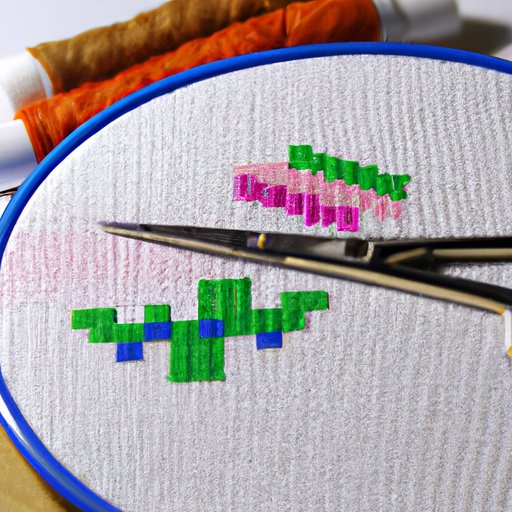
Introduction
Cross stitching has been around for centuries, but it has recently seen a surge in popularity. The craft is easy to learn and provides the perfect opportunity for creativity. It’s also a great way to relax and take a break from life’s stresses. Whether you’re a beginner or an experienced stitcher, here’s a comprehensive guide to getting started with cross stitching.
Overview of Cross Stitching
Cross stitching is a type of embroidery that involves stitching X-shaped stitches onto a piece of fabric. It’s often used to create intricate designs, such as flowers, animals, or patterns. Cross stitching can be done on any type of fabric, but the most popular choice is Aida cloth, which is a stiff cotton material with small holes that are perfect for stitching.
Benefits of Cross Stitching
Cross stitching isn’t just a fun hobby—it also offers several benefits. According to a study by the University of Central Florida, those who engage in creative activities, such as cross stitching, report lower levels of stress and anxiety. Additionally, the repetitive nature of cross stitching can help to improve focus and concentration, while the process of creating a finished piece can provide a sense of accomplishment.
Outline the Basics of Cross Stitching
Cross stitching may seem intimidating at first, but it’s actually quite simple. Before you start, it’s important to understand the basics of the craft, so let’s take a look at the supplies you’ll need and the different types of stitches you’ll be using.
Understand the Supplies Needed
The supplies needed for cross stitching are relatively simple and inexpensive. You’ll need a needle, thread, fabric, hoop, and embroidery scissors. You may also want to invest in an embroidery pen and transfer paper, which will make transferring your design onto the fabric easier.

Learn About Different Types of Stitches
There are several different types of stitches used in cross stitching, including the basic cross stitch, back stitch, and French knot. Each stitch has its own purpose, so it’s important to familiarize yourself with each one before beginning.
Gather Supplies Needed for Cross Stitching
Now that you know the basics, it’s time to gather the supplies you need. Investing in quality materials is important, as it will ensure the longevity of your finished project. Here’s what you’ll need:
Needle and Thread
A sharp needle is essential for cross stitching. Look for needles labeled “embroidery” or “tapestry,” as these are specifically designed for the craft. As for thread, there are several different types available, including cotton, silk, and rayon. Choose the type that best suits your project.
Fabric and Hoop
When selecting fabric, it’s important to choose the right type for your project. Aida cloth is the most popular choice, as it’s easy to work with and comes in a variety of colors and sizes. You’ll also need a hoop to keep the fabric taut while stitching. Plastic hoops are inexpensive and easy to use.
Embroidery Scissors
You’ll need a pair of embroidery scissors for cutting thread and trimming excess fabric. Look for a pair of sharp, pointed scissors specifically designed for embroidery.

Choose a Design or Pattern
Now that you have all of the necessary supplies, it’s time to choose a design or pattern. There are countless sources for designs, including books, magazines, websites, and even pre-printed kits. When selecting a design, consider the size of the fabric you’re using and the type of stitches you’ll be using.
Sources for Designs
If you’re looking for inspiration, there are plenty of sources available. Magazines, books, and websites are all great places to find designs and patterns. You can also find pre-printed kits with everything you need to complete a project.
Selecting the Right Fabric
When selecting fabric, it’s important to consider the size of the design and the type of stitches you’ll be using. If you’re working with a larger design, opt for a higher quality fabric, such as linen or evenweave. For smaller designs, Aida cloth is the best option.

Transfer the Design onto the Fabric
Once you’ve chosen a design and selected the right fabric, it’s time to transfer the design onto the fabric. This can be done in two ways: using an embroidery pen or using transfer paper. Both methods are fairly straightforward, but if you’re a beginner, transfer paper is probably the easiest option.
Using an Embroidery Pen
An embroidery pen is a tool used to trace a design onto fabric. To use an embroidery pen, simply place your design underneath the fabric and trace the lines with the pen. Once you’re finished tracing, the design should be visible on the fabric.
Using Transfer Paper
Transfer paper is a special type of paper that can be used to transfer a design onto fabric. To use transfer paper, simply place the paper on top of the fabric and trace the design with a pencil. The design will then be transferred onto the fabric.
Identify the Different Types of Stitches
Now that your design is ready to go, it’s time to learn about the different types of stitches used in cross stitching. The three most common stitches are the cross stitch, back stitch, and French knot.
Cross Stitch
The cross stitch is the most basic stitch used in cross stitching. It’s made up of two diagonal stitches that form an X shape. This stitch is often used to outline a design or to add color.
Back Stitch
The back stitch is another common stitch used in cross stitching. This stitch is made up of a series of small stitches that form a line. It’s often used to outline a design, fill in gaps, or add texture.
French Knots
The French knot is a more advanced stitch used to add texture and dimension to a design. It’s made up of a series of tiny knots that give the design a raised effect.
Begin Stitching and Enjoy!
Now that you know the basics, it’s time to start stitching! Here are some tips for starting out:
Tips for Starting Out
Start by stitching the outline of the design. This will help you get a feel for the stitches and ensure that your design stays in place. Once the outline is complete, you can begin filling in the design with stitches.
Working with Multiple Colors
If you’re working with multiple colors, it’s important to change colors regularly. This will help keep your design looking neat and will prevent the colors from blending together.
Conclusion
Cross stitching is an enjoyable and rewarding craft that anyone can learn. With the right supplies and a bit of practice, you can create beautiful works of art that you can be proud of.
(Note: Is this article not meeting your expectations? Do you have knowledge or insights to share? Unlock new opportunities and expand your reach by joining our authors team. Click Registration to join us and share your expertise with our readers.)